
Imagine walking out to your yard and finding a swamp instead of lush grass. Hidden leaks in sprinkler systems are a big mystery for homeowners. It's frustrating to see your hard work disappear and your water bills go up.
Figuring out what causes sprinkler systems to leak underground is key to fixing your yard. Small problems like broken pipes or worn-out seals are often the main causes. Spotting these issues early can save you time, money, and stress.
This guide will help you find and fix these hidden problems. Our team works to keep your yard looking great without costing too much. Let's learn how to identify and handle these issues effectively.
Key Takeaways
- Look for mushy patches or high water bills during your weekly check.
- Check for damaged parts or clogged Rain Bird nozzles before digging.
- Watch for signs of root intrusion or soil shifting that can stress pipes.
- Regular maintenance can prevent costly repairs and keep your system running long.
- Turn off the main valve right away for big leaks.
Signs Your Underground Sprinkler System Is Leaking
Underground sprinkler leaks can sneak up on you. But, there are clear signs to watch for. Spotting these signs early can save water and protect your lawn.
Visible Water Pooling and Soggy Spots
Visible water pooling or soggy spots on your lawn are big clues. If you see wet areas, it might mean a leak. These spots stand out more when the rest of your lawn is dry.
Unexplained Increases in Water Bills
A sudden jump in your water bill could mean a leak. Keep an eye on your water usage. If your bill goes up without a reason, check your sprinkler system for leaks.
Low Water Pressure in Sprinkler Zones
Low water pressure in some zones might mean a leak. If some areas get less water, it could be due to a leak. Check the pressure in different zones to find the leak.
Unusually Green Patches in Your Lawn
While a green lawn is nice, unusually green patches can be a sign. If some spots are greener than others, it might be getting too much water. This is more noticeable in dry times.
What Causes Sprinkler Systems to Leak Underground
It's important to know why underground sprinkler leaks happen. This knowledge helps fix the problem right. Leaks can be caused by many things, and finding the exact reason is key.
Damaged or Cracked Pipes
Damaged or cracked pipes are a big reason for leaks. Pipes can get damaged by soil pressure, weather, or lawn care mistakes. A study by the Irrigation Association shows pipe damage is a top leak cause.
"The most common cause of leaks in irrigation systems is pipe damage, often resulting from poor installation or external factors," the Irrigation Association says.
Worn Out Seals and Gaskets
Worn-out seals and gaskets also cause leaks. As they get old, they can't keep water in anymore. Checking and replacing these parts regularly can stop leaks.
Faulty Sprinkler Heads
Faulty sprinkler heads can lead to leaks too. Heads that are clogged, misaligned, or damaged can leak water. This means water doesn't spread evenly over the lawn.
Loose or Corroded Fittings
Loose or corroded fittings are another leak source. If fittings aren't tight or have rust, water can leak out. This can waste water and harm the lawn.
Root Intrusion Damage
Root intrusion is a big problem for sprinkler systems. Tree roots can get into pipes and cause leaks. This is more common in areas with lots of trees or shrubs.
How to Detect Underground Sprinkler Leaks
Spotting underground sprinkler leaks can be a challenge. Yet, there are ways to find them. Finding leaks early helps save water, cut down on bills, and keep your lawn healthy. We'll look at different methods to spot leaks, from simple checks to advanced techniques.
Visual Inspection Methods
Start by looking for signs of leaks. Watch for unusually green or soggy patches in your lawn. These might show where water is leaking. Also, look for dying grass or water pooling on the surface. These signs could mean a leak in the pipes or sprinkler heads.
Check the sprinkler system's parts too. Look for damaged or misaligned sprinkler heads. Make sure all connections are tight and there's no corrosion.
Pressure Testing Your System
Pressure testing is a detailed way to find leaks. It involves pressurizing the system and then isolating parts to find leaks. Use a pressure gauge to measure pressure when the system is off and on. A big drop in pressure means a leak.
To do a pressure test, you'll need a pressure gauge for your system's main line or valve. Always follow the gauge's instructions and test safely.
Zone-by-Zone Isolation Technique
The zone-by-zone method involves turning off zones one by one to find leaks. Start by shutting off all zones and then turn on one at a time. Look for leaks or pressure drops. This helps narrow down where the leak is.
Having a water meter or pressure gauge helps measure each zone's flow or pressure. This makes it easier to find the leak zone.
Using Professional Leak Detection Tools
For tricky leaks, you might need professional tools. These include acoustic sensors, ground-penetrating radar, and more. While these tools cost, many pros offer leak detection services.
"The use of advanced leak detection technology has revolutionized the way we identify and repair underground sprinkler leaks, making the process more efficient and less invasive." -
Think about your lawn size, system complexity, and budget when choosing tools or hiring a pro. For big or complex systems, hiring a pro might save time and money.
Troubleshooting Sprinkler Head Leaks
Fixing sprinkler head leaks is easy and can save you money and water. Leaks happen due to wear, bad installation, or damage from lawn mowers.
Identifying Leaking Sprinkler Heads
To find sprinkler head leaks, look for water pooling, uneven watering, or heads that don't pop up right.
Check each head for damage or wear. Listen for water running when it shouldn't be.
Common Sprinkler Head Problems
Sprinkler heads can have clogged nozzles, damaged seals, or be off-kilter. These issues cause leaks and waste water.
- Clogged nozzles can be cleaned or replaced.
- Worn seals need to be swapped out.
- Adjust misaligned heads for better watering.
Quick Fixes for Sprinkler Head Issues
For small problems, quick fixes work. Clean or replace clogged nozzles and adjust heads to fix issues.
| Issue | Quick Fix |
|---|---|
| Clogged Nozzle | Clean or replace the nozzle |
| Worn-out Seals | Replace the seals |
| Misaligned Head | Adjust the sprinkler head |
Experts say,
"Regular maintenance of sprinkler heads is key for a long-lasting, efficient irrigation system."
By using these tips and quick fixes, your sprinkler system will work better. This saves you money and helps the environment.
Troubleshooting Pipe and Fitting Leaks
Pipe and fitting leaks are tough to find in underground sprinkler systems. They need knowledge and the right methods. These leaks can cause water loss, higher bills, and lawn damage. Knowing how to spot and fix these problems is key to a good irrigation system.
Locating Underground Pipe Leaks
Finding underground pipe leaks needs a careful plan. Here's how to do it:
- Look for soggy or greener spots on your lawn. They might show where water is leaking.
- Do a pressure test to see if there's a leak. Pressurize the system and listen for water sounds.
- Use a listening device or a leak detection device made for sprinkler systems to find the leak.
Common Pipe Failure Points
Pipes in sprinkler systems can fail for many reasons. Here are some common ones:
- Corrosion: Pipes can rust, mainly if they're not made for the local soil.
- Physical Damage: Pipes can get hurt during lawn work, like digging.
- Tree Root Intrusion: Tree roots can damage pipes, more so if the pipes are old or made of certain materials.
Assessing Connection and Joint Leaks
Leaks often happen at connections and joints. Here's how to check them:
- Look for moisture or water pooling at connections and joints.
- Check the seals and gaskets. Worn-out ones can cause leaks.
- Tighten loose connections, but don't overdo it to avoid damaging the fittings.
By following these steps and knowing common leak causes, you can fix problems in your sprinkler system.
Fixing Underground Sprinkler Leaks
Fixing underground sprinkler leaks needs a careful plan to find and fix the problem. Homeowners can follow a few steps to get their sprinkler system working well again.
Tools and Materials You'll Need
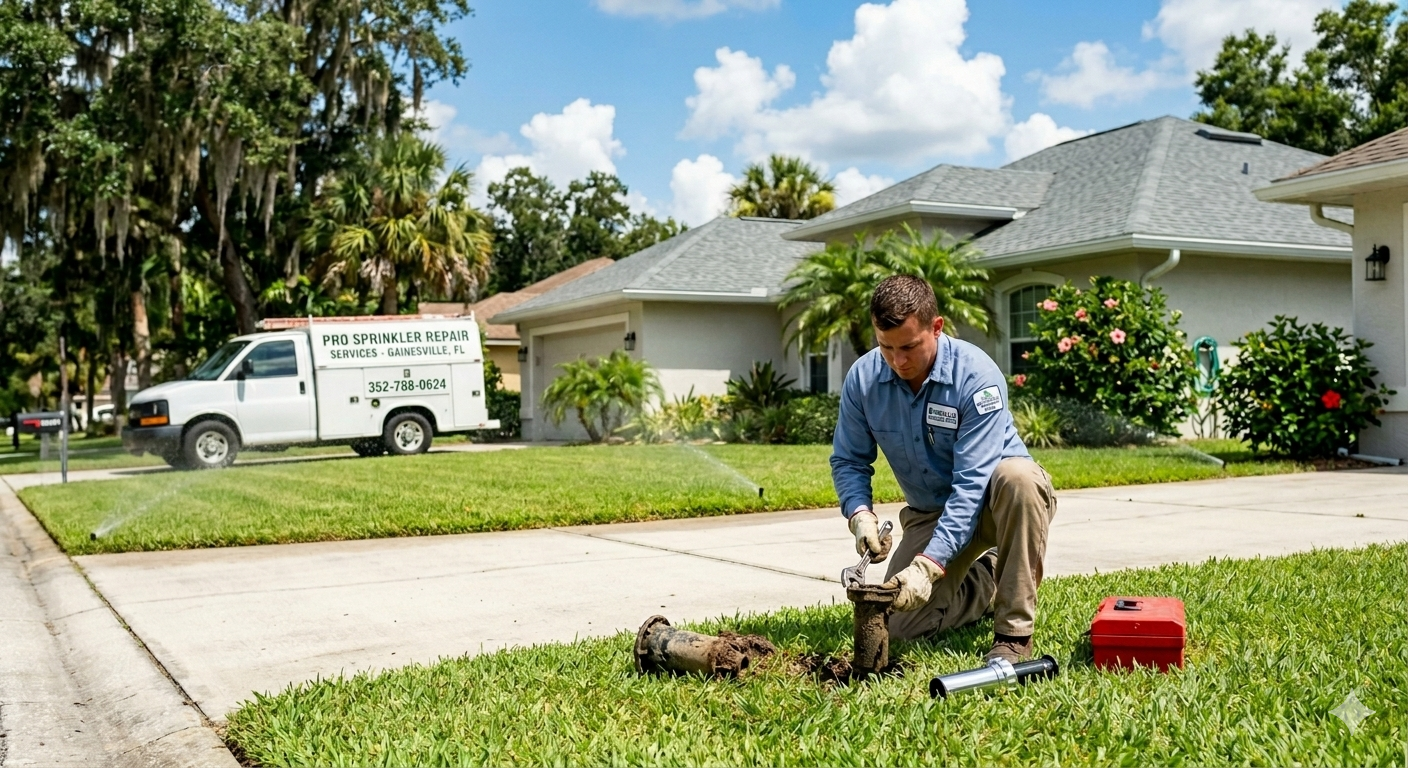
First, gather the tools and materials you'll need. You'll need a shovel, pipe repair kits, new sprinkler heads, valve parts, and Teflon tape. Having everything ready makes the repair easier and faster.
Essential Tools:
- Shovel or trenching tool
- Pipe cutter and reamer
- Pipe repair couplings
- Teflon tape
- Replacement sprinkler heads and valves
Repairing Damaged Pipes
Damaged pipes often cause leaks. To fix them, first find the leak and dig around the pipe. Then, cut out the bad part and replace it with a new piece, using a coupling to connect it.
Steps to Repair Damaged Pipes:
- Dig carefully around the damaged pipe to avoid further damage.
- Cut out the damaged section using a pipe cutter.
- Clean and ream the ends of the remaining pipe.
- Install a repair coupling and secure it according to the manufacturer's instructions.
Replacing Faulty Sprinkler Heads
Leaky sprinkler heads need to be replaced. Just unscrew the old head and screw on a new one. Make sure it's tight. It's a good idea to test the new head before covering it up.
Tips for Replacing Sprinkler Heads:
- Choose a replacement head that matches the original specifications.
- Apply Teflon tape to the threads to prevent leaks.
- Test the new head under pressure before covering it.
Fixing Leaking Valves and Connections
Leaks can also happen at valves and connections. To fix these, you might need to take apart the valve and replace old seals or gaskets. For connections, Teflon tape or a new gasket can usually fix the leak.
Steps to Fix Leaking Valves:
- Turn off the water supply to the valve.
- Disassemble the valve to inspect and replace damaged parts.
- Reassemble the valve, ensuring all parts are securely tightened.
Preventing Future Sprinkler System Leaks
Keeping your sprinkler system in good shape can help avoid leaks. Knowing why leaks happen and how to stop them can save you money. It also keeps your lawn looking great.
Proper Winterization Techniques
Winterizing your sprinkler system is very important. It stops water from freezing in the pipes, which can damage them. Here's how to do it right:
- Drain all water from the pipes, valves, and sprinkler heads.
- Use compressed air to blow out any remaining water.
- Consider hiring a professional if you're unsure about how to winterize your system.
Regular System Maintenance Schedule
Keeping up with maintenance is essential. It helps catch problems early. This includes:
- Inspecting the system for signs of wear and tear.
- Checking for leaks and addressing them promptly.
- Adjusting sprinkler heads to ensure proper coverage and minimize waste.
Protecting Pipes from Root Damage
Tree roots can harm your underground pipes. To keep your pipes safe:
- Plant trees and shrubs away from sprinkler lines.
- Use root barriers to prevent roots from growing into the pipe area.
- Regularly inspect pipes for signs of root intrusion.
Using Quality Components and Materials
Choosing the right parts can prevent leaks. This means:
- Choosing durable pipes and fittings.
- Selecting sprinkler heads and valves from reputable manufacturers.
- Avoiding cheap, low-quality parts that may save money upfront but can lead to costly repairs down the line.
When to Call a Professional Sprinkler Technician
While you can fix many sprinkler problems yourself, some need a pro. Complex problems often require specialized tools and knowledge to fix right. Knowing when to call a pro can save time, cut down on water waste, and prevent more damage.
Complex Leak Situations
Some leaks are easy to spot and fix, but others are complex and hidden. Leaks deep underground or inside the system's infrastructure are hard to find without special tools. A pro can use advanced tools like acoustic sensors or cameras to find and check the leak.
Experts say, "Advanced technology is key in finding and fixing complex leaks in sprinkler systems."
"The use of advanced leak detection equipment can significantly reduce the time and cost associated with repairing sprinkler system leaks."
Valve and Backflow Preventer Issues
Valves and backflow preventers are vital for your sprinkler system. Problems with them can cause water waste and safety risks. Faulty valves can keep zones open, wasting water, and backflow issues can harm water safety. Pros have the skills and tools to fix these complex parts right.
- Diagnosing faulty valve solenoids or damaged valve diaphragms
- Replacing worn-out or corroded backflow preventers
- Ensuring compliance with local water safety regulations
System-Wide Problems
When many problems happen at once or your system is old and keeps failing, it's time for a pro. System-wide problems can show deeper issues that need a full check. A pro can look at the whole system, find the main problems, and suggest fixes or replacements.
A pro can figure out if the problems are from old parts, bad installation, or other reasons. They'll give you a plan to fix these issues well.
Cost Considerations for Sprinkler Leak Repairs
Fixing underground sprinkler leaks needs a good grasp of costs, whether you do it yourself or get a pro. The cost of fixing leaks can be high, and it's key to look at different factors that affect the price.
Homeowners need to think about the type of leak, the parts needed, and labor costs if they hire someone. Knowing these can help you make a choice that fits your budget and keeps your sprinkler system working well.
DIY Repair Costs
If you're good at DIY, fixing sprinkler leaks can save you money. The main cost is for materials like pipes, fittings, and sprinkler heads. The price for these can be between $50 and $500, based on how bad the damage is.
But, remember, DIY mistakes can lead to more damage and higher costs later. It's better to do it right the first time.
Professional Repair Service Costs
Getting a pro for sprinkler system leak detection and repair means it's done right and fast. The cost includes labor, equipment, and materials. Prices can be from $200 to $1,500 or more, depending on the job's complexity and where the leak is.
Even though pros cost more at first, they offer expertise and a warranty. This can save you money and stress in the long run.
Cost of Ignoring Leaks
Ignoring underground sprinkler leaks can cost a lot more later. Leaks waste water, raise your water bill, and harm your lawn and landscape. They can even damage your property's structure, leading to expensive fixes.
Ignoring leaks is not worth it. Fixing them quickly saves money and helps the environment by reducing water waste and property damage.
Conclusion
Knowing why sprinkler systems leak underground is key to keeping your irrigation system working well. Spotting leaks, like water pooling and higher water bills, helps you act fast. This way, you can fix problems before they get worse.
Regular upkeep, like winterizing and checking your system, stops leaks before they start. Learning to spot and fix issues, like broken pipes and bad sprinkler heads, lets you care for your system. This knowledge helps you keep your sprinkler system in top shape.
Fixing leaks quickly saves water and cuts down on your water bill. It also keeps your lawn looking great. Whether you do the repairs yourself or get help from a pro, knowing about leaks is the first step. It leads to a reliable and efficient irrigation system.
FAQ
What causes sprinkler systems to leak underground most frequently?
Leaks in underground sprinkler systems often come from damaged or cracked pipes. This can happen due to ground shifting or roots from nearby trees. Worn-out seals in valves and high water pressure also play a role.
These factors can cause slow leaks that are hard to spot right away.
How can I tell if I need professional sprinkler system leak detection?
You might need a pro if your water bills go up or your water pressure drops. A visual check can spot soggy spots and water pooling. But, experts use special tools to find leaks without digging up your lawn.
What are the first steps for troubleshooting sprinkler leaks in a specific zone?
Start by isolating each zone one at a time. Look for green patches or bubbling water. If a zone has lower pressure, check there first.
Check for faulty sprinkler heads, like those from Rain Bird or Hunter Industries. A cracked riser or clogged nozzle can look like a big leak.
Is fixing underground sprinkler leaks a project I can handle myself?
Yes, if the damage is small. You'll need a shovel, PVC primer and cement, and new fittings. But, if the leak is under a driveway or near the backflow preventer, it's best to call a pro.
How can I prevent future underground sprinkler leaks?
Regular maintenance is key. Use a professional blowout service to prevent freezing damage. Choose quality materials and adjust your sprinkler heads right to reduce wear.
Why is my lawn staying wet even when the sprinkler system is turned off?
This could mean you have a "weeping valve." Debris or a worn-out diaphragm can let water through. Check the lowest head in a zone for pooling water. It might be a valve problem, not a pipe leak.
What are the possible costs of ignoring a leaking sprinkler system?
Ignoring leaks can cost a lot more than fixing them. It can raise your water bill and damage your yard and home. Fixing leaks quickly keeps your yard healthy and saves money.

0 Comments