
Many homeowners want a vibrant landscape that lasts all year. To achieve this, a consistent watering plan is key. You need reliable equipment that covers every area and saves water.
Learning how to adjust sprinkler heads for even lawn coverage keeps your grass green. This simple step prevents brown spots and cuts down on water bills. It ensures uniform growth across your property.
By following these steps, you can improve your setup and get better results. You’ll learn how to keep your yard looking great all year. Making small changes can have big environmental benefits.
To achieve perfection, check the arc and distance of each nozzle. Making small adjustments ensures every blade of grass gets enough water. This leads to a healthy, green landscape.
Key Takeaways
- Proper alignment prevents dry patches and wasted water.
- Regular maintenance extends the life of your irrigation system.
- Correct settings reduce monthly utility costs significantly.
- Balanced moisture levels prevent fungal diseases in soil.
- Accurate nozzle direction protects sidewalks from unnecessary spray.
Understanding Why Proper Sprinkler Head Adjustment Matters
A well-adjusted sprinkler system is essential for a healthy lawn. It ensures every part of your lawn gets the right amount of water. This is key for its health and look.
Incorrect sprinkler head adjustments can harm your lawn. Let’s look at why adjusting them properly is so important.
The Impact of Uneven Water Distribution on Lawn Health
Uneven water distribution stresses your lawn. Dry spots turn brown, while too much water causes disease. This unevenness leads to more maintenance, like reseeding or sod replacement.
Uneven watering also encourages weeds. Adjusting sprinkler heads for even coverage prevents this. It keeps your lawn healthy.
Water Conservation and Cost Savings Benefits
Proper sprinkler head adjustments save water and money. They ensure water goes where it’s needed, reducing waste and bills. This is vital in areas with limited water or during droughts.
They also make your sprinkler system more efficient. This cuts down on energy costs. Using lawn irrigation tips like adjusting heads can greatly reduce your water and energy bills.
Preventing Lawn Disease Through Proper Watering
Lawn diseases thrive in wet or dry conditions. Adjusting sprinkler heads helps maintain the right watering schedule. This reduces disease risk, like fungal diseases that spread in moist areas.
Consistent watering also strengthens your lawn’s roots. This makes it more resistant to disease and pests. This approach is a valuable lawn irrigation tip for a healthier lawn.
Common Signs Your Sprinkler Heads Need Adjustment
It’s important to know when your sprinkler heads need adjusting. This ensures your lawn gets the right amount of water. If they’re not adjusted right, it can cause problems that are easy to spot.
Dry Patches and Brown Spots on Your Lawn
Dry patches and brown spots mean some areas of your lawn are too dry. This could be because the sprinkler heads aren’t spraying far enough or are aimed wrong. Adjusting the sprinkler heads to cover these dry spots is key to fixing your lawn.
To tackle dry patches, check your sprinkler heads for dirt or debris. Sometimes, a clogged head can reduce water spray. Regular cleaning and adjustments can prevent these problems.
Overwatered Areas and Pooling Water
Overwatered areas and pooling water mean some spots are getting too much water. This could be because the sprinkler heads are spraying too much or are set wrong. Proper adjustment of sprinkler heads helps water spread evenly, avoiding overwatering issues.
To fix overwatered spots, you might need to tweak the spray distance or arc of your sprinkler heads. Making sure your sprinkler system waters each part of your lawn right is vital for its health.
Water Spraying on Driveways, Sidewalks, and House Siding
Water spraying on driveways, sidewalks, and house siding is another common problem. It wastes water and can damage these surfaces. Adjusting the direction and spray pattern of your sprinkler heads can stop this, directing water to your lawn.
By adjusting your sprinkler system, you can save water, reduce waste, and keep your lawn looking great. Regular checks and tweaks are essential for good lawn care and can greatly improve your lawn’s health and look.
Essential Tools and Materials for Sprinkler Head Adjustment
Adjusting your sprinkler heads right is key to a healthy lawn. You need the right tools and materials for even water distribution. This not only keeps your lawn looking good but also saves water by avoiding waste.
Basic Tools You’ll Need
First, gather some basic tools for adjusting your sprinkler heads. These tools are vital for making the right changes and checking the water spread.
Screwdrivers and Adjustment Keys
You’ll need screwdrivers, like flathead and Phillips-head, to adjust the heads. Also, specific adjustment keys might be needed. These keys usually come with the system or can be bought separately.
Measuring Cups and String for Testing
To check the water spread, use measuring cups and string. The cups measure water in different spots. The string helps see the spray’s pattern and reach.
Optional Tools for Advanced Adjustments
For finer adjustments, consider extra tools. They help make your sprinkler system work better.
Pressure Gauges and Flow Meters
Pressure gauges and flow meters are great for checking water pressure and flow. They let you fine-tune for the best water spread.
Replacement Nozzles and Parts
Keep replacement nozzles and spare parts ready. They’re useful for fixing or improving your system. This keeps it running well and efficiently.
Identifying Your Sprinkler Head Types
To get a lush, evenly watered lawn, knowing your sprinkler heads is key. Each type is made for different lawn sizes and watering needs. Knowing what you have helps you make better choices for adjustments and upkeep.
Spray Heads and Their Characteristics
Spray heads are a common choice for lawn watering. They work well for smaller areas and come in various shapes to fit different lawn designs.
Spray Heads and Their Characteristics
Fixed spray pattern heads water in a set pattern, perfect for consistent watering in small spaces.
Spray Heads and Their Characteristics
Variable arc spray heads let you change the watering pattern. This makes them great for lawns of all shapes and sizes.
Rotor Heads and How They Work
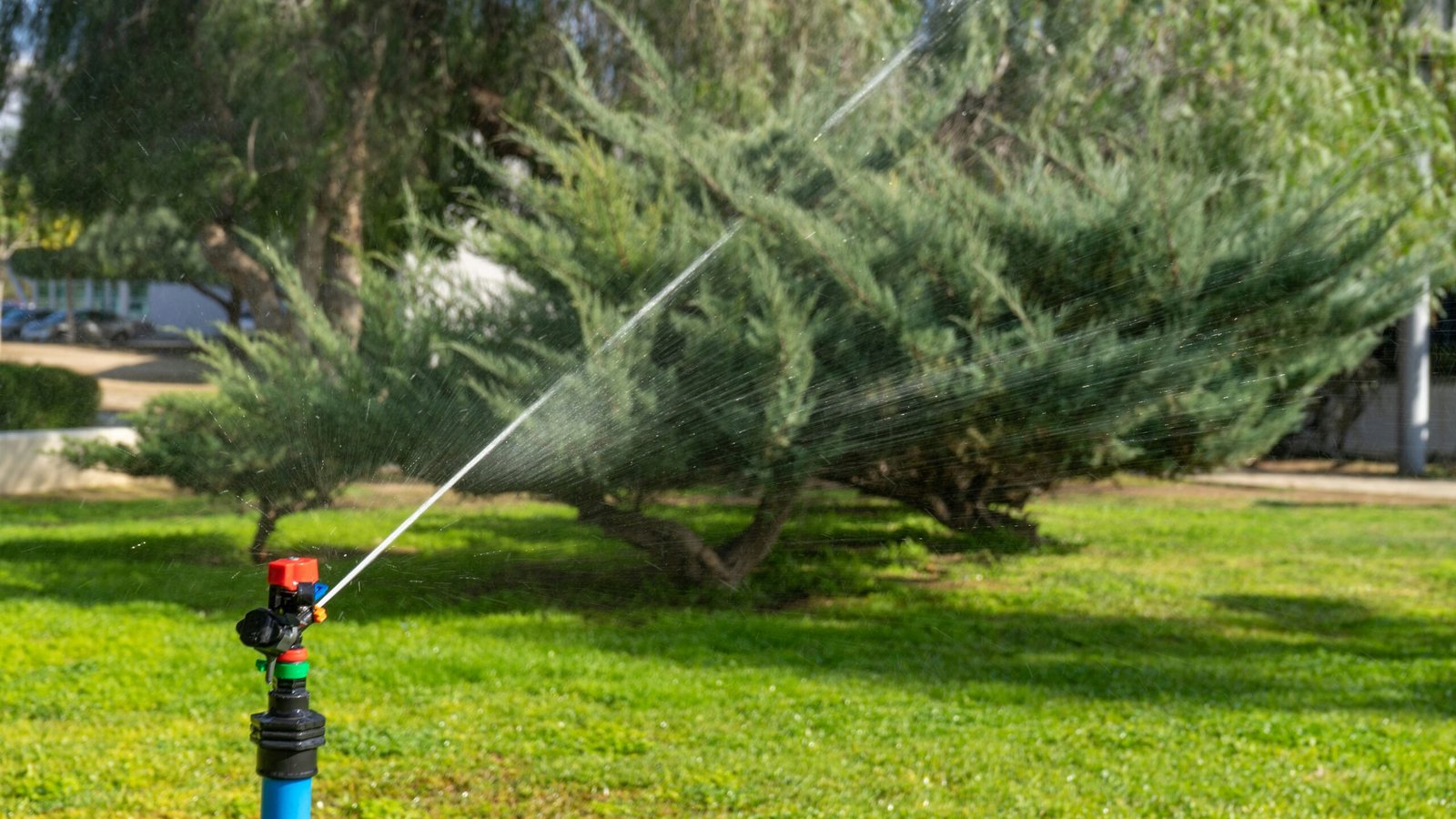
Rotor heads cover larger areas, making them ideal for bigger lawns. They water by rotating to reach further.
Rotor Heads and How They Work
Gear-driven rotors rotate using a gear system. They offer reliable watering and are built to last.
Rotor Heads and How They Work
Impact rotors use water pressure to turn. They’re strong and good for big lawns.
Rotary Nozzles and Stream Rotators
Rotary nozzles and stream rotators are versatile and efficient. They provide even coverage and can be adjusted for different needs.
Understanding your sprinkler heads is the first step to a better lawn. By knowing your sprinkler head type, you can make the right changes for a healthier lawn.
Preparing Your Lawn and Sprinkler System
To get the best results, your lawn and sprinkler system must be ready. This means taking a few steps to make sure everything works well.
Inspecting Your Current System for Visible Issues
First, check your sprinkler system for any damage or problems. Look for clogged or damaged sprinkler heads, broken pipes, and misaligned sprinklers. Finding these issues early helps fix them before making changes.
- Check for any blockages or debris in the sprinkler heads.
- Inspect the pipes for leaks or damage.
- Verify that all sprinkler heads are properly aligned.
Cleaning Sprinkler Heads Before Adjustment
Cleaning your sprinkler heads is key to their proper function. Dirt, debris, and mineral buildup can harm their performance. To clean your sprinkler heads:
- Turn off the water supply to the sprinkler system.
- Remove the sprinkler heads and soak them in a mixture of water and vinegar or a recommended cleaning solution.
- Use a soft brush to gently scrub away any stubborn dirt or mineral deposits.
- Rinse the sprinkler heads thoroughly before reinstalling them.
Checking Water Pressure at the Source
Knowing the water pressure at the source is important for even watering with sprinklers. Low water pressure can cause poor coverage, while high pressure can waste water and damage the system. Use a pressure gauge attached to an outdoor faucet to check the pressure.
Key considerations:
- Ensure the pressure gauge is calibrated correctly.
- Check the pressure during peak usage times to get an accurate reading.
- Consult a professional if you’re unsure about the ideal pressure for your system.
How to Adjust Sprinkler Heads for Even Lawn Coverage
To keep your lawn looking great, it’s key to adjust your sprinkler heads right. This ensures your lawn gets water evenly. This is important for its health and look.
Step 1: Turn On Your Sprinkler System and Run Each Zone
First, turn on your sprinkler system and run each zone. This lets you see how your lawn is being watered. It helps spot any spots that are getting too much or too little water.
Step 2: Observe Current Water Distribution Patterns
Watch how the water spreads as each zone runs. Look for dry spots and places where water pools. Also, notice if water is getting on driveways or sidewalks. This is important for knowing what changes to make.
Step 3: Adjust Spray Distance and Radius
Changing the spray distance and radius is key to watering your lawn right. To change the spray distance, you might need to tweak the nozzle or adjust the radius reduction screw. You want to cover your lawn just right.
Step 4: Modify Spray Arc and Direction
Changing the spray arc and direction helps water spread evenly. You might need to adjust the sprinkler head’s arc settings or rotate it to fit your lawn better. This stops water from going where it shouldn’t and makes sure all areas get enough water.
Step 5: Fine-Tune Water Flow and Pressure Settings
Last, tweak the water flow and pressure settings for best sprinkler system performance. You might need to adjust the pressure regulator or the flow control valves. Right water pressure makes sure your sprinkler heads work well, giving your lawn the right amount of water.
By following these steps and making the right changes, you can make your lawn healthier and look better. Regularly adjusting your sprinkler heads is a simple way to keep your lawn lush and green while saving water.
Adjusting Spray Head Sprinklers
Spray head sprinklers are essential for lawn care. Adjusting them right ensures your lawn gets the right water. This reduces waste and helps your lawn grow healthy.
Setting the Arc Pattern on Variable Arc Heads
Variable arc heads let you change the watering pattern. It’s important to know how to adjust them.
Using the Arc Adjustment Slot
The arc adjustment slot lets you change the watering pattern. Turning it adjusts the arc. This ensures water goes where it’s needed.
Setting Fixed Left and Right Stops
Setting the left and right stops keeps water spray in the right area. This stops water from hitting sidewalks and driveways.
Adjusting Spray Distance with the Radius Reduction Screw
The radius reduction screw is key for adjusting spray distance. It lets you customize water distribution for different lawn areas.
Clockwise Rotation for Shorter Distance
Turning the radius reduction screw clockwise shortens the spray distance. This is good for areas close to the sprinkler head. It helps water distribute evenly.
Finding the Optimal Spray Overlap
Getting the right overlap between sprinklers is important. The goal is to have water from one head slightly overlap the next. This prevents dry spots.
Changing Nozzles for Different Coverage Areas
Changing the nozzle might be needed for different areas. Different nozzles work for different lawn types and watering needs.
Selecting the Right Nozzle Type
Choosing the right nozzle depends on your lawn’s needs. Lawn size, shape, and plants affect the nozzle choice.
Installing Replacement Nozzles Properly
When putting in a new nozzle, make sure it’s fitted right. This prevents leaks and ensures even water distribution. Proper installation keeps your sprinkler system working well.
Adjusting Rotor Head Sprinklers
Adjusting rotor head sprinklers is key for a healthy lawn. They cover large areas well when set right. This ensures your lawn gets the water it needs evenly.
Setting Left and Right Arc Stops on Rotor Heads
To tailor your rotor head sprinklers, adjust the left and right arc stops. This lets you control the area they water.
Locating the Arc Adjustment Mechanism
The arc adjustment is on top of the rotor head. It’s a small screw or clip that changes the water spray’s arc.
Setting Custom Watering Zones
Adjusting the arc stops lets you customize watering zones. For example, you can avoid watering sidewalks if needed.
Tip:Always check your sprinkler’s manual for specific adjustment instructions. Different models have different mechanisms.
Adjusting Throw Distance and Radius on Rotors
The throw distance of a rotor head sprinkler affects how far water is sprayed. Adjusting this ensures your lawn is watered evenly.
Using the Radius Adjustment Screw
The radius adjustment screw fine-tunes the throw distance. Turning it changes how far the water goes.
| Adjustment Type | Effect on Watering |
|---|---|
| Reducing Radius | Decreases throw distance, ideal for smaller areas or to prevent overspray. |
| Increasing Radius | Increases throw distance, suitable for larger areas or to ensure complete coverage. |
Balancing Coverage Between Multiple Heads
To ensure even watering, balance coverage between heads. Adjust throw distance and arc to complement each other.
“Proper adjustment of rotor head sprinklers not only conserves water but also promotes a healthier lawn by preventing overwatering and underwatering.”
Fine-Tuning Rotation Speed for Better Coverage
The rotation speed of rotor head sprinklers affects watering efficiency. Adjusting it helps achieve uniform coverage.
- Slower rotation speeds are often used for larger areas or where more water is needed.
- Faster rotation speeds are suitable for smaller areas or where less water is required.
By following these guidelines and adjusting your rotor head sprinklers, you can improve your lawn’s health and appearance. You’ll also save water.
Testing Your Adjustments for Uniform Coverage
Testing your sprinkler adjustments is key to even watering and a healthy lawn. After adjusting your sprinkler heads, check if your lawn gets even coverage.
Performing a Catch Cup Test
A catch cup test is a simple way to check water distribution. Place cups or containers at regular intervals across your lawn.
Setting Up Your Test Grid
To set up your test grid, follow these steps:
- Place catch cups or similar containers at evenly spaced intervals (typically 2-3 feet apart) across the area covered by a single sprinkler or zone.
- Ensure the cups are level and at the same height to get accurate measurements.
- Mark the location of each cup to reference later.
Running the System for Accurate Measurements
Once your grid is set up, run your sprinkler system for 10-15 minutes. Then, measure the water in each cup and record it.
Measuring Water Distribution Uniformity
The catch cup test data helps you understand your sprinkler system’s uniformity.
Calculating Distribution Uniformity Percentage
To calculate the distribution uniformity percentage, you need to:
- Measure and record the amount of water in each catch cup.
- Identify the average water collected in the lowest quarter of the measurements.
- Calculate the average water collected across all cups.
- Use the formula: Distribution Uniformity (%) = (Average of lowest quarter / Overall average) * 100.
| Cup Number | Water Collected (ml) |
|---|---|
| 1 | 200 |
| 2 | 220 |
| 3 | 180 |
| 4 | 210 |
| 5 | 190 |
Identifying Problem Areas
By analyzing the data, you can find areas getting too little or too much water. This helps you make specific adjustments to your sprinkler heads.
Making Final Tweaks Based on Test Results
Use the insights from the catch cup test to fine-tune your sprinkler system. Make further adjustments if needed, then re-run the test for even coverage.
By following these steps and using the catch cup test, you can achieve even watering with sprinklers and improve your lawn’s health and look. Regular testing and adjustments are key to optimizing sprinkler system performance.
Troubleshooting Common Sprinkler Head Issues
Problems with sprinkler heads can hurt your lawn’s watering. But, you can fix these issues with the right steps. It’s important to keep your sprinkler heads working well for a healthy lawn.
Fixing Low Water Pressure Problems
Low water pressure can cause uneven watering and dry spots. You need to find the cause of this problem.
Checking for Leaks in the System
Leaks can lower water pressure. Look for any leaks or damage in your system. Check pipes, fittings, and heads for wear or corrosion. Fixing or replacing damaged parts will fix the pressure.
Adjusting Pressure Regulators
Pressure regulators are important for the right water pressure. Make sure they are set correctly. Check your system’s manual for how to adjust them.
Addressing Clogged Sprinkler Heads
Clogged heads can cause uneven watering. Keeping your system clean is important to avoid clogs.
Removing Debris from Nozzles and Filters
Debris can block nozzles and filters. Clean these parts regularly. Remove dirt and ensure they are clear.
Flushing the System
Flushing the system removes dirt and debris. Run the system without nozzles or filters to clear pipes.
Repairing Tilted or Sunken Heads
Tilted or sunken heads cause uneven watering. Adjust the head to the right position. Make sure it’s level and aligned.
Replacing Worn or Damaged Components
Components can wear out over time. Check your heads for damage. Replace any worn parts to keep your system working well.
Fixing these common problems ensures your sprinkler system works right. Regular care and quick fixes help your lawn stay healthy and green.
Maintaining Even Water Distribution Over Time
Keeping your lawn healthy is more than just adjusting sprinkler heads. It’s about ongoing care. To maintain even water distribution, check and adjust your sprinkler system often. This helps your lawn grow well and avoids dry spots or too much water.
Scheduling Regular Seasonal Inspections
Seasonal checks are key to spotting and fixing problems early. They keep your sprinkler system working well.
Spring System Startup Checklist
Here’s what to do when you start your sprinkler system in spring:
- Look for winter damage
- Find leaks in pipes and connections
- Clean or replace clogged or damaged sprinkler heads
- Adjust sprinkler heads for better coverage
- Test the system to make sure it’s working right
Mid-Season Performance Reviews
Mid-season checks help find issues after spring startup. Look for:
- Changes in water pressure
- Clogged or dirty sprinkler heads
- Need for adjustments due to lawn growth or new landscaping
Adjusting for Lawn Growth and Landscape Changes
As your lawn and landscape change, your sprinkler system needs tweaks. This ensures even water distribution for new plants, trees, or hardscape.
Compensating for New Plants and Trees
New plants and trees change your lawn’s watering needs. Consider:
- Adjust sprinkler heads to avoid overwatering new plants
- Add new sprinkler heads for new landscaping
Modifying Coverage for Hardscape Additions
New hardscape features like patios or walkways change watering needs. Adjust your sprinkler system to:
- Avoid watering non-lawn areas
- Make sure lawn areas get enough water
Winterization and Spring Startup Considerations
Proper winterization and spring startup are key for your sprinkler system’s life and efficiency. Drain the system to prevent freezing and inspect it well before starting in spring.
By following these steps and regularly maintaining your sprinkler system, you can improve lawn sprinkler coverage. This keeps your lawn healthy and green all year.
Optimizing Your Sprinkler System Performance
Improving your sprinkler system can lead to better water use, less waste, and a healthier lawn. To do this, you can make several upgrades and adjustments. These changes will make your lawn irrigation system more efficient and effective.
One important step is to check and possibly upgrade your system’s parts. You might need to replace old or inefficient parts with newer ones. These newer parts will likely perform better and save water.
Upgrading to Water-Efficient Nozzles
Switching to water-efficient nozzles is a simple way to boost your sprinkler system’s performance. These nozzles help distribute water evenly and cut down on waste. This not only saves water but also lowers your water bills.
There are many types of water-efficient nozzles, each suited for different spray patterns and pressures. Picking the right nozzle for your system can greatly improve its efficiency.
Installing Smart Controllers for Better Scheduling
Adding smart controllers is another big upgrade. These devices adjust your sprinkler system’s schedule based on weather, soil moisture, and more. This ensures your lawn gets the right amount of water at the right time, preventing overwatering or underwatering.
Smart controllers can adjust for seasonal changes, rain, and specific lawn care needs. This precision leads to healthier plants, less water use, and lower maintenance costs.
Zoning Your System for Different Plant Needs
Zoning your sprinkler system lets you tailor watering to different lawn areas. This is great for lawns with varied landscaping, like different grass types or plants.
By zoning your lawn, each area gets the right amount of water. This promotes healthy growth and saves water by avoiding overwatering in areas that need less.
Conclusion
Adjusting your sprinkler heads is key for a lush, evenly watered lawn. By following the steps in this guide, you can make sure your lawn gets the right water. This promotes healthy growth and saves money on water bills.
Regular maintenance and adjustments keep your sprinkler system working well. This improves your lawn’s look and helps save water. A well-kept sprinkler system stops overwatering, cuts down on waste, and keeps your lawn healthy and green all season.
Using the techniques we talked about, you can have a beautiful, thriving lawn while being careful with water. Adjusting your sprinkler heads is a simple yet powerful way to improve your lawn’s health and look.
FAQ
Q: How can I tell if I need to adjust sprinkler heads on my property?
A: Look for signs like brown spots or water pooling. If water hits your sidewalk instead of the grass, it’s time to adjust.
Q: What are the best lawn irrigation tips for beginners?
A: First, inspect your system while it’s running. Look for clogs or leaks. Make sure heads are evenly spaced to water your lawn right.
Q: How to Adjust Sprinkler Heads for Even Lawn Coverage if I have rotor heads?
A: Use a tool or screwdriver to adjust rotor heads. This ensures water spreads evenly across your lawn.
Q: What tools are required for professional sprinkler head adjustment techniques?
A: You’ll need a screwdriver, an adjustment wrench, and maybe pliers. For better results, use a catch cup kit to measure water distribution.
Q: How does a catch cup test help improve lawn sprinkler coverage?
A: Place containers around your lawn and measure water after a cycle. This shows where water is missing, helping you adjust sprinklers.
Q: Can I swap out nozzles to help achieve even watering with sprinklers?
A: Yes, you can. Try Rain Bird HE-VAN or Toro Precision Series nozzles for better coverage, even in windy areas.
Q: What should I do if my sprinkler heads are sunken or tilted?
A: Dig around the head and add a riser to level it. A vertical head is essential for even watering.
Q: How often should I be optimizing sprinkler system performance?
A: Check your system in spring and mid-summer. Clean filters and adjust heads for new growth to keep your lawn watered well.

0 Comments