
Living in Florida means enjoying the sun and dealing with sudden storms. These weather changes can affect how you water your garden. Knowing the local weather helps keep your lawn green without extra effort.
Homeowners often face challenges as the seasons change. The hot sun can dry out the soil fast, while heavy rains can cause too much water. Finding the right balance is crucial for a healthy yard all year round.
Understanding Florida weather helps your yard stay beautiful without wasting water. By adjusting your irrigation systems for the local climate, you can achieve a greener space. Mastering moisture control in Florida's subtropical climate is key.
Key Takeaways
- Extreme heat increases soil evaporation rates significantly.
- Tropical rain patterns require flexible watering schedules to prevent root rot.
- High humidity levels can reduce the frequency of manual watering.
- Seasonal adjustments help maintain plant health during the dry winter months.
- Proper equipment calibration prevents water waste and lowers utility bills.
- Monitoring local storm forecasts allows for better hydration management.
Florida's Unique Climate Challenges for Your Landscape
Florida's subtropical climate brings its own set of challenges for your landscape. The state's weather, with heavy rain and high temperatures, affects lawn health and irrigation. This can make it hard to keep your lawn looking good.
The heavy rain in Florida's wet season can cause overwatering. This is bad for your lawn, damaging the roots and encouraging weeds and diseases to grow.
On the other hand, the dry season's high temperatures lead to rapid water evaporation. This makes irrigation systems less effective. Lawns may need more water, stressing your irrigation system even more.
Florida's climate varies from the Panhandle to the Keys. This means you need to adjust your landscape management strategies for your area. Knowing these local differences is key to a healthy landscape.
To tackle these challenges, homeowners need to be proactive. This includes using efficient irrigation, choosing drought-resistant grass, and keeping your irrigation system in top shape.
Understanding Florida's Distinctive Weather Patterns
Florida has a subtropical climate, leading to various weather conditions. These conditions affect its landscapes and irrigation systems. The climate is known for mild winters and hot, humid summers. This greatly influences how irrigation systems work all year.
Subtropical Climate Characteristics
Florida's subtropical climate is known for its high temperatures and humidity. The state's warm winters allow plants to grow all year. But, this also means plants need more water in the hot months.
The climate also has a wet and dry season. Most of Florida's rain falls in the summer. This means irrigation needs to be adjusted. We need to water less in the wet season and more in the dry season.
Regional Differences From Panhandle to Keys
The weather in Florida changes a lot from the Panhandle to the Keys. The Panhandle is closer to the mainland and has a milder climate.
The Keys, on the other hand, have a tropical climate with less temperature change. Some areas get more heavy rain than others. Knowing these regional differences is key to creating effective irrigation systems for each area.
How Florida Weather Affects Irrigation Systems
Florida's weather is key to keeping your landscape healthy and green. The state's subtropical climate brings high temperatures, humidity, and lots of rain. These factors make it hard to keep irrigation systems working well and lasting long.
Direct Impact on Sprinkler Heads and Valves
Florida's weather can really hurt your irrigation system's parts. Sprinkler heads might get knocked out of place or break from heavy rain and strong winds. Valves also struggle with the ups and downs in water pressure from rain.
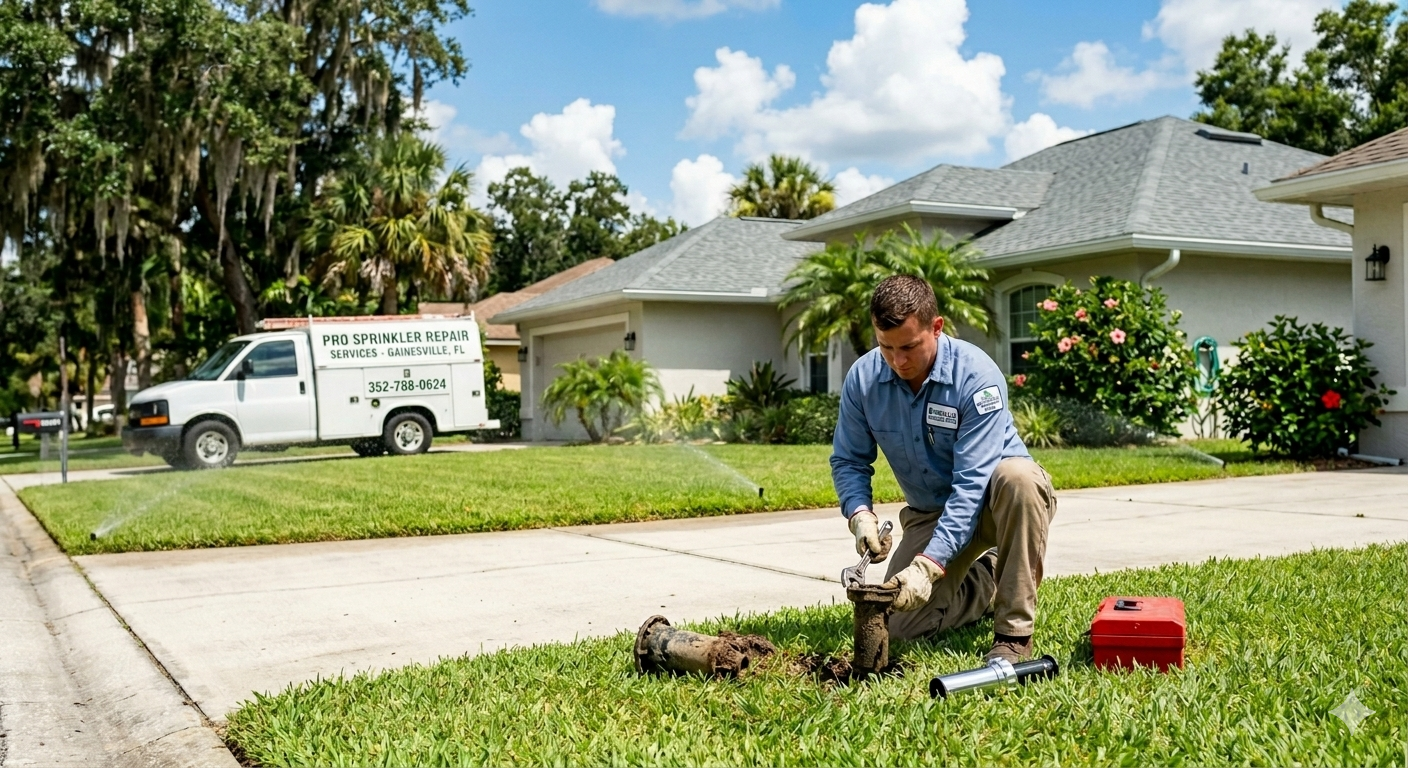
It's important to check these parts often. Make sure sprinkler heads are straight and valves work right. This helps your irrigation system run better.
| Component | Weather-Related Issue | Maintenance Tip |
|---|---|---|
| Sprinkler Heads | Misalignment or breakage due to heavy rain or wind | Regularly inspect and adjust sprinkler heads |
| Valves | Fluctuating water pressure due to rain events | Check valve function regularly and replace if necessary |
Weather-Related Wear on Controllers and Wiring
Florida's weather also harms the electrical parts of irrigation systems. Controllers and wiring can get damaged by moisture and extreme temperatures. This can cause them to stop working or fail.
It's good to protect these parts from the weather. Make sure controllers are sealed well and wiring is covered. This can help your irrigation system last longer.
Heavy Rain Challenges During Florida's Wet Season
Florida's wet season brings heavy rain that can overwhelm irrigation systems. This leads to overwatering, damage to the system, and other issues. These problems can harm lawn health and shorten the life of irrigation systems.
Overwatering Problems and Root Damage
Overwatering is a big problem in Florida's wet season. Too much water can damage plant roots, leading to unhealthy growth or even death. Irrigation systems can make this worse by adding more water to already wet soil.
Root damage from overwatering can be lessened by adjusting irrigation schedules. Using rain sensors or smart controllers can help. These tools detect rain and adjust watering schedules to prevent overwatering.
System Flooding and Pressure Issues
Heavy rain can also cause system flooding and pressure problems in irrigation systems. Flooding happens when the system can't handle the extra water. This leads to backups and damage to system parts.
| Issue | Cause | Solution |
|---|---|---|
| Overwatering | Excessive rainfall and continued irrigation system operation | Adjust irrigation schedules; use rain sensors or smart controllers |
| System Flooding | Inability of system valves and pipes to handle excess water | Regular system inspections; upgrade system components as necessary |
| Pressure Issues | Excess water causing pressure buildup | Install pressure-regulating valves; ensure proper system design |
Dealing with Florida's Intense High Temperatures
Florida's subtropical climate brings intense high temperatures. These can affect irrigation systems and lawn health. The hot weather, mainly in summer, requires careful lawn watering. This helps prevent water loss and keeps the lawn healthy.
Rapid Water Evaporation Concerns
High temperatures in Florida cause rapid water evaporation. When it's hot, water evaporates fast from the soil. This reduces moisture for plant roots.
This can lead to:
- Increased watering needs to compensate for the loss
- Higher risk of overwatering if not managed properly
- Reduced efficiency of irrigation systems
To tackle this, adjust irrigation schedules with temperature changes. Using smart irrigation controllers that adjust watering based on weather is very helpful.
Protecting Your Lawn During Heat Waves
Lawns need extra care during heat waves. Here are some tips to protect your lawn:
- Adjust your irrigation schedule: Water your lawn in the early morning or late evening to reduce evaporation.
- Maintain proper soil moisture: Check soil moisture regularly to ensure it's adequate.
- Use drought-tolerant grass species: These grasses are more resilient in high temperatures.
By following these steps, you can help your lawn survive the intense heat. It will stay healthy all year round.
How Humidity Affects Your Irrigation Needs
Florida's humid climate changes how much water your lawn needs. It's key to know how humidity affects your lawn. This knowledge helps your irrigation system work better and keeps your lawn healthy.
Florida's humidity has both good and bad sides for lawn care. It can make water stay on your lawn longer. This might mean you don't need to water as often.
Benefits of Lower Evaporation Rates
High humidity means your lawn holds onto water better. This is good because it means you might not need to water as much. A study found lawns in humid areas need up to 30% less water than those in dry areas.
| Climate Condition | Evaporation Rate | Water Requirement |
|---|---|---|
| Humid | Low | Reduced |
| Dry | High | Increased |
Managing Moisture-Related Lawn Diseases
But, high humidity also raises the risk of lawn diseases. Fungi and other harmful organisms love moist places. They can harm your lawn. To fight this, make sure your lawn gets enough air and don't water too much.
As lawn care experts say, "A balanced watering plan that considers humidity can lower disease risk."
By adjusting to humidity, you can make a better watering plan. This helps your lawn stay healthy and strong.
Working with Florida's Sandy Soil Conditions
Florida's sandy soil needs special care when it comes to watering. The soil can't hold water well, so you have to water it often. This can be expensive and wasteful if not done right.
Poor Water Retention and Frequent Watering
Sandy soils have big gaps between their particles. This lets water drain fast. So, your lawn doesn't get water for long.
Lawns in sandy soil might need to be watered more often. But, watering too much can harm your lawn. It can waste water and damage the roots.
Adjusting Irrigation for Fast-Draining Soil
To manage water in sandy soil, you need to adjust your irrigation. Using soil moisture sensors can help. They check the soil's moisture levels.
Also, try watering more often but for shorter times. This keeps the soil moist without wasting water.
| Irrigation Adjustment | Benefit |
|---|---|
| Soil Moisture Sensors | Accurate moisture monitoring |
| Frequent, Short Watering Cycles | Optimal soil moisture maintenance |
| Adjusted Irrigation Scheduling | Reduced water waste |
Protecting Your System from Tropical Storms and Hurricanes
Keeping your irrigation system safe from tropical storms and hurricanes is key to keeping your landscape healthy. Florida's location makes it vulnerable to these severe weather events. These can damage outdoor setups, including irrigation systems.
Tropical storms and hurricanes bring strong winds and heavy rain. This can cause your system to fail, flood, or erode. So, it's important to protect your irrigation system before a storm hits.
Essential Pre-Storm Preparation Steps
Before a storm arrives, you can take steps to safeguard your irrigation system:
- Inspect and secure all parts of your irrigation system, like sprinkler heads, valves, and controllers.
- Drain the system to avoid water freezing or causing damage during the storm.
- Adjust or remove sprinkler heads that could get knocked off or damaged by wind or debris.
- Protect controllers and other electrical parts from flooding and moisture.
Comprehensive Post-Storm System Checks
After the storm, it's vital to check your irrigation system carefully:
- Check for damage to sprinkler heads, valves, and pipes.
- Test the system to make sure it's working right and not leaking.
- Clear debris from the system and around it.
- Adjust the irrigation schedule if the weather has changed.
By following these steps, you can protect your irrigation system from tropical storms and hurricanes. This ensures it stays in good shape and works well.
Making Seasonal Adjustments to Your Irrigation Schedule
To keep your lawn healthy all year, adjust your watering schedule with the seasons. Florida's weather changes a lot, with wet and dry seasons needing different watering plans.
Florida's weather shifts a lot, affecting how much water your lawn needs. By changing your watering schedule with the seasons, you can water just right. This helps your lawn grow well and saves water.
Wet Season Programming Changes
Florida's wet season means lots of rain and humidity. This means you don't need to water as often. Water less and use rain sensors to stop watering when it rains.
Also, check your irrigation system for leaks or problems. Fixing these issues helps save water and protects your lawn.
Dry Season Watering Strategies
The dry season requires more water to keep your lawn healthy. Water more often during dry times, but watch for water limits. Use drought-resistant plants and soil moisture monitors to save water.
Change your irrigation controller for the dry season and water limits. This keeps your lawn healthy and follows local rules.
Smart Technology Solutions for Florida Weather
The Sunshine State faces unique climate challenges. Advanced irrigation systems are needed, and smart technology is at the forefront. Florida's weather, with heavy rain, intense heat, and high humidity, requires a smart approach to lawn care. Smart technology brings innovative solutions to improve irrigation efficiency and cut down on waste.
Smart irrigation systems use sensors to monitor the environment. Rain sensors and soil moisture monitors are key in this process.
Rain Sensors and Soil Moisture Monitors
Rain sensors detect rain and adjust irrigation schedules to avoid overwatering. This saves water and prevents root damage and lawn diseases from too much moisture. Soil moisture monitors check soil moisture levels, ensuring water is used only when needed. Homeowners can keep their lawns healthy while using less water.
Weather-Based Smart Controllers
Weather-based smart controllers take irrigation to the next level. They adjust watering based on real-time weather data. These controllers use local weather forecasts to adjust irrigation schedules, ensuring lawns get the right water at the right time. This not only saves water but also keeps lawns healthy during droughts or extreme weather.
By using smart technology in irrigation systems, Florida homeowners can enjoy better, more sustainable lawn care. As technology advances, we'll see even more innovative solutions. These will make Florida's landscapes more resilient and beautiful.
Essential Maintenance for Florida's Climate Conditions
Florida's weather is unique, with lots of rain, heat, and humidity. This climate affects irrigation systems a lot. Keeping your system in good shape is key.
Regular maintenance is vital to avoid system failures. It ensures water is distributed well. This way, you save money and water.
Monthly and Seasonal Inspection Routines
Regular checks are needed to keep your system running smoothly. Every month, look for wear on sprinkler heads, valves, and controllers. In different seasons, check the wiring and adjust the schedule based on weather.
- Check for leaks and broken sprinkler heads
- Verify that the controller is programmed correctly
- Inspect valves for proper function
Component Cleaning and Replacement Guidelines
Cleaning and replacing parts is important for your system. Clean filters and sprinkler heads often to avoid clogs. Replace old parts like seals and diaphragms to keep efficiency high.
Don't forget to check the electrical parts, like wiring and solenoids. This helps prevent system failures.
Conserving Water While Managing Florida Weather
The Sunshine State's weather is quite different, needing smart ways to water lawns. Florida's climate swings from heavy rain to dry spells. This calls for careful watering habits.
Working Within Local Water Restrictions
Following local water rules is key to saving water. These rules change by area and aim to cut down on water use. Homeowners can cut their water use by following these rules.
Key steps include:
- Familiarizing yourself with local water restrictions
- Adjusting your irrigation schedule according to these rules
- Using rain sensors and smart controllers to save water
Best Practices for Efficient Water Use
Using water wisely is important. Choosing plants that don't need much water, mulching, and designing your irrigation system well can help a lot. These steps can cut down on water waste.
Additional strategies include:
- Regularly checking your irrigation system for leaks and damage
- Using soil moisture monitors to know when to water
Conclusion
Knowing Florida's weather is key for good irrigation. The state's subtropical climate brings heavy rain and hot temperatures. These conditions make it hard to keep landscapes healthy and green.
Adjusting irrigation to fit the local weather helps avoid problems. Using smart irrigation tech, like rain sensors, makes water use better. This cuts down on waste.
Keeping irrigation systems in good shape is also vital. This means checking and cleaning parts, changing schedules with the seasons, and saving water when it's dry or restricted.
By using these methods, people can manage water well. This helps the environment and keeps landscapes looking great, even with Florida's changing weather.
FAQ
How does Florida's unique climate impact my irrigation system?
Florida's subtropical climate is tough on landscapes. High temperatures and heavy rain make your system work hard. Without the right setup, your lawn might get too dry or too wet.
Why does my lawn dry out so quickly even after a full watering cycle?
Florida's sandy soil is the main culprit. It drains water fast, leaving your lawn dry. Using special nozzles can help your lawn soak up water better.
Should I turn off my sprinklers during the summer rainy season?
You don't need to turn off your sprinklers every day. But, make sure you have a rain sensor. This stops your system from overwatering during heavy rain.
How do high temperatures affect the hardware of my irrigation system?
High temperatures and UV rays can damage your sprinkler heads and controllers. Using weather-resistant enclosures can help keep your system running longer.
Are there smart controllers that can handle Florida's erratic weather patterns?
Yes! Smart controllers like the Rachio 3 adjust watering based on weather. They skip cycles during heavy rain, saving water and money.
What maintenance should I perform after a tropical storm or hurricane?
After a storm, clean your sprinkler heads and check valve boxes. Florida's soil can damage your system's wiring and solenoids.
Can humidity affect my irrigation schedule?
Yes, humidity does! It slows down evaporation, so your lawn might need less water on humid days. Modern controllers adjust for this.

0 Comments