
Many Americans take pride in their green lawns. But, hidden problems under the soil can quickly turn a beautiful lawn into a financial headache. A sudden water bill increase often signals that something is wrong with the irrigation setup.
When broken sprinkler pipes occur, they lead to a massive loss of resources that happens out of sight. Homeowners might notice soggy patches in the grass or a dip in pressure. These small leaks add up to big costs over time.
This guide explores why these underground lines fail and the impact on monthly expenses. We will also look at effective ways to fix these irrigation problems. Staying ahead of repairs saves money and protects local resources.
Key Takeaways
- Recognize the ways underground leaks inflate monthly utility costs.
- Identify common signs of system failure like soggy turf or low pressure.
- Learn the primary causes behind line damage and underground cracks.
- Understand the impact of water waste on the environment and your wallet.
- Discover practical solutions to restore efficiency and save money.
Understanding Sprinkler Pipe Damage and Water Waste
It’s important to know why sprinkler pipes get damaged. This helps keep your irrigation system working well. Sprinkler systems spread water evenly over your lawn. But, damage can cause water waste and higher bills.
What Causes Sprinkler Pipes to Break
Sprinkler pipes can break for many reasons. Freezing temperatures are a big one, as water expands and can crack pipes. Physical damage from lawn mowers or gardening tools is another common cause. Also, aging pipes can get brittle and crack.
Soil settlement, root intrusion, and corrosion in older systems also play a part. Knowing these causes helps prevent damage.
Common Types of Sprinkler Pipe Damage
Sprinkler pipe damage can take different forms. Leaks are common, caused by small cracks or holes. Ruptures or bigger breaks lead to more water loss. Clogs happen when debris blocks water flow.
Fixing each type of damage needs a specific approach. Knowing the damage type is key to a lasting fix.
How Water Waste Occurs in Damaged Systems
When pipes are damaged, water leaks out. This wastes water and raises your bill. Continuous leaks can harm your lawn and landscape by causing erosion and waterlogging.
Also, damaged systems can water unevenly. This can hurt your lawn’s health and increase maintenance costs.
Warning Signs Your Sprinkler Pipes Are Broken
Spotting the signs of broken sprinkler pipes can help avoid a big jump in your water bill. Broken pipes can harm your lawn’s health and look. They also increase your water costs.
Visible Signs in Your Yard
Start by looking for signs in your yard. These signs can point to a bigger problem with your sprinkler system.
Pooling Water and Soggy Spots
Pooling water or soggy spots in your yard might mean a leak. These areas stay wet or muddy, even when it’s dry.
Uneven Grass Growth Patterns
Uneven grass growth is another clue. If some parts of your lawn are greener, it could mean a leak is giving them extra water.
Performance-Related Red Flags
There are also signs related to how your sprinklers work.
Low Water Pressure in Sprinkler Heads
Low water pressure in your sprinkler heads might mean a leak or break in the pipe. This reduces the water pressure.
Irregular Spray Patterns and Dry Zones
Irregular spray patterns or dry zones in your lawn could also point to a problem. It might be a pipe issue affecting water supply to those areas.
Unexplained Increases in Your Water Bill
An unexplained increase in your water bill often means a hidden leak. If your water use hasn’t changed but your bill has, check your sprinkler system for problems.
How Broken Sprinkler Pipes Affect Your Water Bill
Broken sprinkler pipes can quietly raise your water costs. When a pipe breaks, water leaks into the ground or on the surface. This leads to a lot of water waste.
This waste harms the environment and affects your wallet. It’s important to understand how much it costs to fix the problem quickly.
Calculating Water Loss from Leaking Pipes
To understand the cost, you need to know how much water is lost. The amount lost depends on the leak size and water pressure.
A small leak can waste hundreds of gallons daily. For example, a 1/8 inch leak wastes about 2,400 gallons a month. This is a lot, considering the average household uses 12,000 gallons monthly for indoor use.
Using a water meter or leak detector can measure the loss. This info helps estimate the extra cost on your bill.
Average Cost Impact on Monthly Water Bills
The cost of a broken sprinkler pipe on your bill varies. It depends on the leak size and local water rates. A dripping faucet can add $10 to $20 to your bill each month.
But, a broken sprinkler pipe can waste much more water. This can raise your bill by hundreds of dollars. For instance, a leak wasting 2,400 gallons monthly could add $7.20 to your bill. But, this cost can grow with bigger leaks or higher rates.
Seasonal Variations in Water Waste
Seasonal changes affect water waste from broken pipes. In hot months, irrigation systems are used more, making leaks worse.
In cold months, pipes can freeze and burst, causing more water loss. Knowing these changes helps homeowners stay alert and fix problems fast.
Long-Term Financial Consequences of Ignored Leaks
Ignoring a broken pipe can lead to big financial problems. Leaks can cause soil erosion, damage landscaping, and harm your home’s structure.
Fixing leaks quickly is key to avoid these costs. Regular checks and maintenance can catch problems early, saving you money in the long run.
Detecting Hidden Leaks in Your Sprinkler System
Finding leaks in your sprinkler system early can save water and money. Hidden leaks can be hard to spot until they cause big problems.
Conducting a Thorough Visual Inspection
Start by looking for leaks with your eyes. Check for water pooling or green spots in your yard. Also, check your sprinkler heads and pipes for damage or rust.
Key areas to inspect include:
- Sprinkler heads and nozzles for damage or misalignment
- Exposed pipes for signs of corrosion or leaks
- The surrounding landscape for unusual wet spots or erosion
Using Your Water Meter to Identify Leaks
Your water meter is a great tool for finding leaks. Turn off all water use, then check the meter. If it moves, you have a leak.
Professional Leak Detection Methods
For hard-to-find leaks, get help from professionals. They use special tools to find leaks without hurting your property.
Acoustic Leak Detection Technology
Acoustic leak detection uses special equipment to hear water leaks. It’s great for finding leaks in underground pipes.
Pressure Testing Your System
Pressure testing fills your system with water to find leaks. Professionals can spot leaks by looking for pressure drops.
The following table summarizes the different leak detection methods:
| Detection Method | Description | Effectiveness |
|---|---|---|
| Visual Inspection | Looking for visible signs of leaks | Good for surface-level issues |
| Water Meter Check | Using the water meter to detect leaks | Effective for detecting hidden leaks |
| Acoustic Leak Detection | Listening for sounds of escaping water | Highly effective for underground leaks |
| Pressure Testing | Pressurizing the system to detect leaks | Very effective for identifying system leaks |
DIY Solutions for Minor Sprinkler Pipe Repairs
Homeowners can fix minor sprinkler pipe damages themselves. They just need the right tools and a bit of knowledge.
Essential Tools and Materials You’ll Need
Before starting, make sure you have the right tools. For minor repairs, you’ll need pipe repair tape, epoxy putty, a pipe cutter, and possibly new pipe sections.
- Pipe repair tape for wrapping around damaged areas
- Epoxy putty for sealing small cracks and holes
- Pipe cutter for cutting out damaged pipe sections
- Replacement pipe sections to match your existing piping
Fixing Small Cracks and Holes
Small damages can often be fixed with simple, effective methods.
Using Pipe Repair Tape
Pipe repair tape is a quick fix for small leaks. Wrap the tape around the damaged area, ensuring it’s tight and evenly spread.
“Pipe repair tape is a versatile and easy-to-use solution for minor leaks. It’s waterproof and can withstand the pressure of your sprinkler system.”
Applying Epoxy Putty
Epoxy putty is another effective solution for sealing small cracks. Mix the putty according to the manufacturer’s instructions and apply it to the damaged area.
Replacing Damaged Pipe Sections
For more significant damage, replacing the affected pipe section may be necessary.
- Cut out the damaged section using a pipe cutter.
- Measure and cut a new section to fit.
- Connect the new section to the existing pipe.
| Task | Tools Needed | Estimated Time |
|---|---|---|
| Fixing small cracks | Epoxy putty, gloves | 30 minutes |
| Replacing pipe sections | Pipe cutter, replacement pipe | 1-2 hours |
When DIY Repairs Aren’t Enough
While DIY repairs can save money, sometimes you need a pro. If you’re unsure about the damage or feel unsure, it’s best to get professional help.
Professional Sprinkler Repair: What to Expect
Dealing with a damaged sprinkler system can be stressful. Knowing what a professional repair service can do helps a lot. They have the skills and tools to fix problems quickly and safely.
When to Call a Professional Technician
Not every sprinkler problem needs a pro. But, some issues are too big for DIY fixes. If you see leaks, water pressure drops, or if your system won’t turn on or off, it’s time to call a pro.
Complex problems like broken heads, damaged valves, or mainline issues need a pro’s touch. If DIY fixes didn’t work, a pro can fix it for good.
Average Repair Costs by Damage Type
Repair costs vary based on the damage. Here’s a rough guide:
| Damage Type | Average Cost |
|---|---|
| Leaky Sprinkler Head | $50-$150 |
| Broken Control Valve | $100-$300 |
| Mainline Repair | $200-$500 |
| System Overhaul | $500-$1,500 |
Choosing the Right Sprinkler Repair Service
Finding the right repair service takes some thought. Look for a company with lots of experience and a good local reputation.
Check online reviews and ask friends for recommendations. Make sure they’re licensed, insured, and offer a warranty.
Important Questions to Ask Before Hiring
Before you hire, ask important questions. This ensures you get quality work. Here are some questions to ask:
- What experience do you have with sprinkler repairs?
- Can you provide references or examples of previous work?
- What is your pricing structure, and what’s included in the initial quote?
- Do you offer a warranty on your repairs?
- What’s your availability for emergency repairs?
Preventing Sprinkler Pipe Damage and Future Leaks
Preventing sprinkler pipe damage saves water and cuts down on your water bill. It also keeps your yard healthy. By being proactive, you can make your sprinkler system last longer and avoid expensive fixes.
Winterization and Seasonal Maintenance Tips
Winterizing your system is key to avoiding pipe damage. Drain the water from the pipes to stop them from freezing and bursting. Drain, compress, and insulate are the steps to take.
Seasonal maintenance is also important. Check for leaks, inspect for damage, and make sure everything works right.
Scheduling Regular System Inspections
Regular checks can spot problems early. Inspect your system twice a year, in spring and fall. Look for wear, damage, or corrosion on pipes and parts.
- Check for leaks and unusual water sprays.
- Inspect pipes for signs of damage or corrosion.
- Ensure that sprinkler heads are functioning correctly and are not clogged.
Proper Installation Techniques That Last
The way your sprinkler system is installed affects its life and efficiency. Make sure it’s installed right, with the right pipe size and depth. This prevents many problems.
Hiring a professional for installation can greatly improve your system’s performance and lifespan.
Protecting Pipes from Freezing Temperatures
Freezing temperatures can damage sprinkler pipes. Winterization helps, but you can also use freeze-resistant pipes. Insulate pipes in cold spots like garages or under decks.
Knowing how to prevent sprinkler pipe damage saves money and water. It also keeps your yard looking great.
The True Cost of Ignoring Broken Sprinkler Pipes
Ignoring a broken sprinkler pipe can cause more harm than you think. It can lead to financial loss, damage to your property, and harm the environment.
Cumulative Water Bill Increases Over Time
A broken sprinkler pipe wastes a lot of water, raising your water bills. The longer it’s ignored, the more you’ll pay. For example, a small leak can waste up to 20 gallons of water each day.
This might seem small, but it adds up quickly. Here’s a table showing how a leak can increase your water bill:
| Leak Size | Water Waste (gallons/day) | Monthly Water Bill Increase |
|---|---|---|
| Small Leak | 20 | $5-$10 |
| Medium Leak | 100 | $25-$50 |
| Large Leak | 500 | $125-$250 |
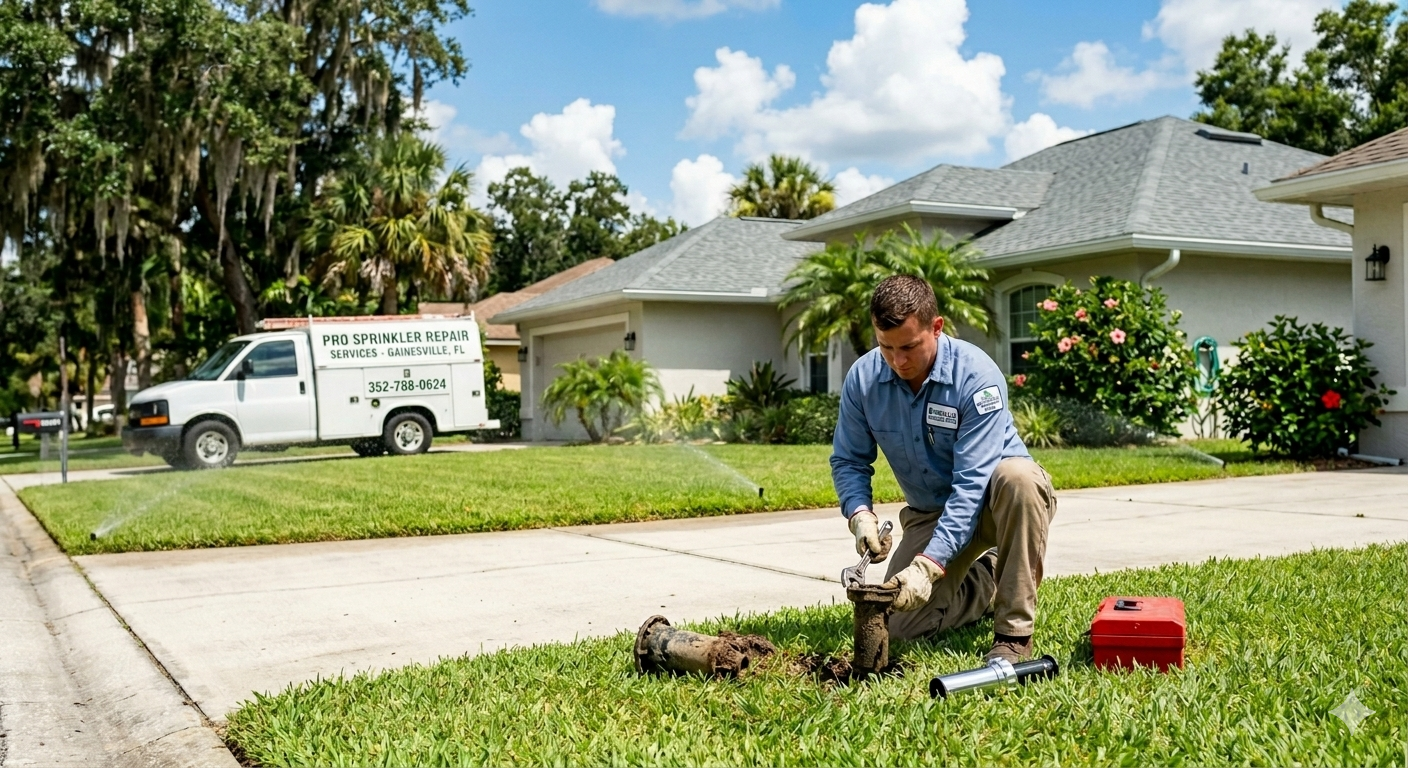
Property Damage from Ongoing Water Leaks
Water leaks can seriously damage your property. They can erode the soil, harm plant roots, and damage landscaping and foundations.
Common issues include:
- Soil erosion
- Damage to plants and landscaping
- Foundation problems
- Mold and mildew growth
Environmental Impact of Wasted Water
The environmental harm from wasted water is significant. Water conservation is key, even more so in areas with droughts.
Wasting water puts a strain on local water resources and wastes energy used for treatment and pumping.
Impact on Home Value and Curb Appeal
A neglected sprinkler system can lower your home’s value and curb appeal. Visible damage and eroded landscaping make your property look neglected.
Keeping your sprinkler system in good shape is vital for your home’s value and looks.
Conclusion
Keeping your sprinkler system in good shape is key to saving water and money. Broken pipes can cause big financial losses and harm the environment.
Regular checks, quick fixes, and winter prep are essential to avoid damage. Knowing why pipes break and acting early can save your home and wallet.
Whether you fix it yourself or call a pro, acting fast is important. Keeping your system in check saves water and makes it last longer. This helps the planet too.
In short, a well-kept sprinkler system is great for saving water and money. Make sure to check, fix, and maintain it. This way, you’ll have a beautiful lawn and help the environment.
FAQ
How can I use my water meter to check for a hidden leak in my sprinkler system?
Your water meter is a great tool for finding leaks! First, turn off all water inside your home. Look at the meter’s leak indicator, which might be a small dial or a digital screen. If it’s moving, you have a leak.
To find where it is, turn off the main valve to your sprinklers. If the meter stops, the leak is outside. Using top-quality parts from Rain Bird or Hunter Industries can help avoid these leaks.
Why is my water bill suddenly so high even though my lawn looks dry?
A sudden high water bill often means a leak in your underground pipes. Even if your lawn looks dry, water might be leaking underground. This can cause soil erosion or water pooling near your foundation.
Brands like Toro make efficient nozzles. But, even the best tech can’t stop a cracked pipe from wasting a lot of water.
Can a smart irrigation controller help me catch leaks early?
Yes, a smart irrigation controller can be a big help! Systems like the Rachio 3 have flow-sensing tech. They watch how much water each zone uses.
If they see a sudden surge in water use, they’ll alert you. They can even shut down the system to save water and prevent damage.
What is the difference between a main line leak and a lateral line leak?
A main line leak is always on because the pipe is always under pressure. It leaks all the time until you turn off the water. A lateral line leak only happens when that zone is on.
Both can damage your lawn and cause soggy spots. But, a main line leak is more urgent because it can make your water bill skyrocket fast.
Is it better to use PVC pipe or PEX for sprinkler repairs?
PVC is the usual choice for most homes in the U.S. But, in cold places, some prefer PEX or poly pipe. They’re more flexible and less likely to burst in the cold.
No matter the material, proper installation and using the right primer and glue are key. This helps avoid future damage.
How does a faulty backflow preventer impact my system?
A backflow preventer keeps contaminated water from getting back into your clean water. If it’s broken or leaking, it can lower water pressure at your sprinklers. This can cause constant dripping.
Testing this device regularly is important. It keeps your water safe and protects the environment.
What are the risks of ignoring a small leak in my sprinkler system?
Ignoring a leak can cost you money and damage your property. It can crack walkways or even harm your foundation. Moisture attracts pests and causes fungal growth, ruining your home’s look.
Fixing small leaks quickly with epoxy or pipe tape saves money. For bigger problems, call a professional. This protects your home’s value.
Why is winterization so important for preventing broken pipes?
Water expands when it freezes, which can split plastic pipes. Leaving water in your system during cold weather can cause big problems. Winterization blows out the system with air to remove all water.
This is the best way to avoid expensive and messy repairs when you turn on your system in spring.

0 Comments