Sprinkler heads that suddenly stop rotating can turn your perfectly green lawn into a patchy mess of overwatered spots and brown areas. This guide is for homeowners and property managers dealing with irrigation problems who want to understand why their sprinkler system isn't working properly and how to fix it.
A non-rotating sprinkler head usually stems from a few key issues that are easier to diagnose than you might think. We'll walk you through the most common causes that stop sprinkler heads from rotating, including debris buildup and mechanical wear that naturally happens over time. You'll also learn how water pressure problems can throw off your entire system and discover which critical components like gears and trip collars tend to fail first.
Finally, we'll cover step-by-step troubleshooting methods you can try yourself, plus clear signs that it's time to call in professional irrigation services before a small problem becomes an expensive repair.
Common Causes That Stop Sprinkler Heads From Rotating
Debris Buildup in Internal Mechanisms
Dirt, sand, and general yard debris represent the most frequent culprits behind sprinkler head rotation failures. These contaminants infiltrate the delicate internal mechanisms, creating friction and blockages that prevent smooth rotation. The gear drive system, which orchestrates the sprinkler head's movement, becomes particularly vulnerable when particles accumulate within its components.
Age plays a significant role in this deterioration process, as older systems develop microscopic gaps and worn seals that provide entry points for contamination. Excessive pressure can exacerbate this issue by forcing debris deeper into the mechanism, while poor water quality introduces additional particles that gradually compromise the system's integrity. Over time, even the smallest accumulation of foreign matter can transform a smoothly operating sprinkler into a stationary fixture.
Water Pressure Problems and System Fluctuations
Water pressure irregularities create a cascade of operational problems that directly impact sprinkler head rotation. Insufficient water pressure fails to provide the necessary force required for proper rotation, leaving sprinkler heads motionless or operating at reduced capacity. This inadequate pressure prevents the internal drive mechanism from generating enough torque to overcome natural resistance and maintain consistent movement.
Conversely, excessive water pressure presents equally damaging consequences. High pressure levels accelerate component deterioration, causing parts to wear out prematurely and increasing the likelihood of unexpected mechanical failures. The constant stress from over-pressurization can distort internal components, throw mechanisms out of alignment, and ultimately halt rotation entirely.
Physical Obstructions Around the Sprinkler Head
External barriers frequently impede sprinkler head movement, creating obvious yet often overlooked rotation problems. Gravel, overgrown plants, and uneven or broken ground surfaces can physically restrict the sprinkler head's range of motion. These obstructions don't necessarily damage the internal mechanisms but prevent the head from completing its intended rotation cycle.
Small, hard objects pose particularly insidious threats when they work their way into the moving parts of sprinkler systems. These foreign materials create excessive stress on the sprinkler head components, generating resistance that the drive mechanism cannot overcome. The resulting strain often leads to complete rotation failure as the system struggles against unmovable obstacles.
Worn Out or Misaligned Internal Components
Normal wear and tear inevitably affects all mechanical systems, and sprinkler heads are no exception to this natural degradation process. Extended operation gradually wears down critical components, leading to misalignment issues that disrupt the precise coordination required for smooth rotation. As parts lose their original specifications, the entire system's timing and movement patterns become compromised.
Misaligned components create additional friction and resistance within the mechanism, forcing the drive system to work harder while achieving diminished results. This misalignment often develops gradually, making it difficult to detect until rotation becomes noticeably erratic or stops completely.
How Water Pressure Issues Affect Sprinkler Rotation
Low Pressure Prevents Adequate Force for Rotation
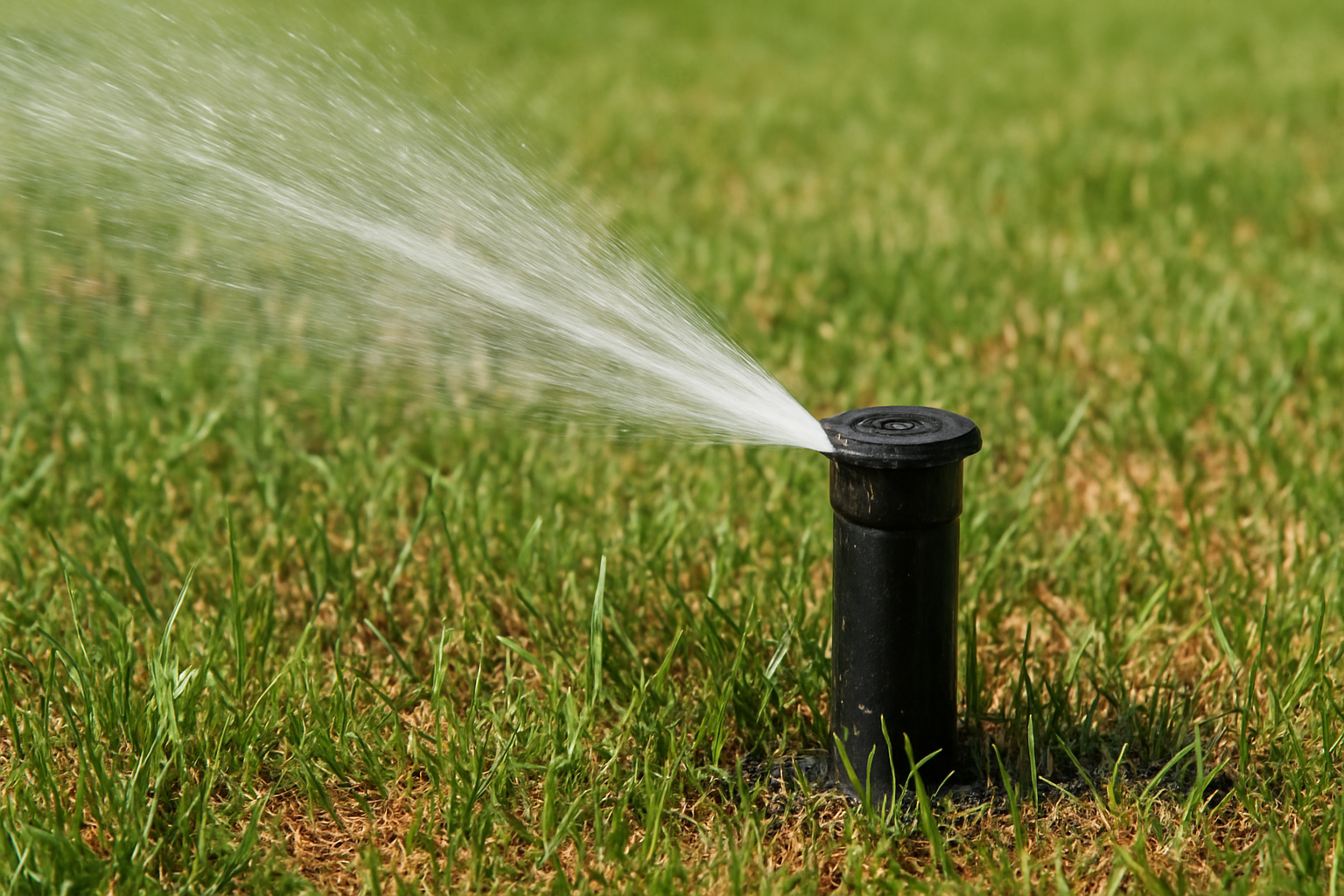
When water pressure drops below optimal levels, sprinkler heads often do not have sufficient force to rotate properly. The rotating mechanism in sprinkler heads relies on consistent water pressure to generate the mechanical energy needed for smooth operation. Without adequate pressure, the internal drive mechanisms cannot overcome the friction and resistance within the rotating assembly, causing the sprinkler head to remain stationary or rotate intermittently.
This insufficient pressure typically manifests as sporadic rotation patterns, where the sprinkler head may start and stop unpredictably, or complete rotation cycles may take significantly longer than designed. The water distribution pattern becomes uneven, creating dry spots in some areas while overwatering others. Property owners often notice this issue during peak usage hours when multiple zones operate simultaneously, drawing down the available system pressure.
Excessive Pressure Causes Premature Part Failure
On the opposite end of the spectrum, excessive pressure can cause sprinkler parts to wear out prematurely or break unexpectedly. High pressure creates excessive stress on internal components, particularly the drive springs, gear assemblies, and sealing mechanisms that control rotation timing and speed. These components are engineered to operate within specific pressure ranges, and when subjected to pressures beyond their design limits, they experience accelerated wear patterns.
The rapid deterioration typically affects the most delicate moving parts first, including the reversing valves and drive mechanisms. Over-pressurized systems often exhibit erratic rotation speeds, with sprinkler heads rotating too quickly to provide adequate water coverage. In severe cases, excessive pressure can cause complete mechanical failure, requiring immediate replacement of the entire sprinkler head assembly.
Thermal Expansion and Temperature Effects on System Pressure
Thermal expansion and high water temperatures during summer months can significantly affect the pressure inside the sprinkler system. As water temperature increases, thermal expansion occurs throughout the distribution network, creating pressure fluctuations that directly impact sprinkler head performance. This phenomenon is particularly pronounced in systems with extensive underground piping exposed to solar heating or in regions experiencing extreme summer temperatures.
The expansion effect compounds existing pressure issues, either exacerbating low-pressure conditions or pushing marginal systems into excessive pressure ranges. Temperature-induced pressure variations create inconsistent operating conditions that stress rotating mechanisms, leading to unpredictable performance and potential component failure over time.
Critical Components That Commonly Fail
Gear Drive System and Turbine Mechanisms
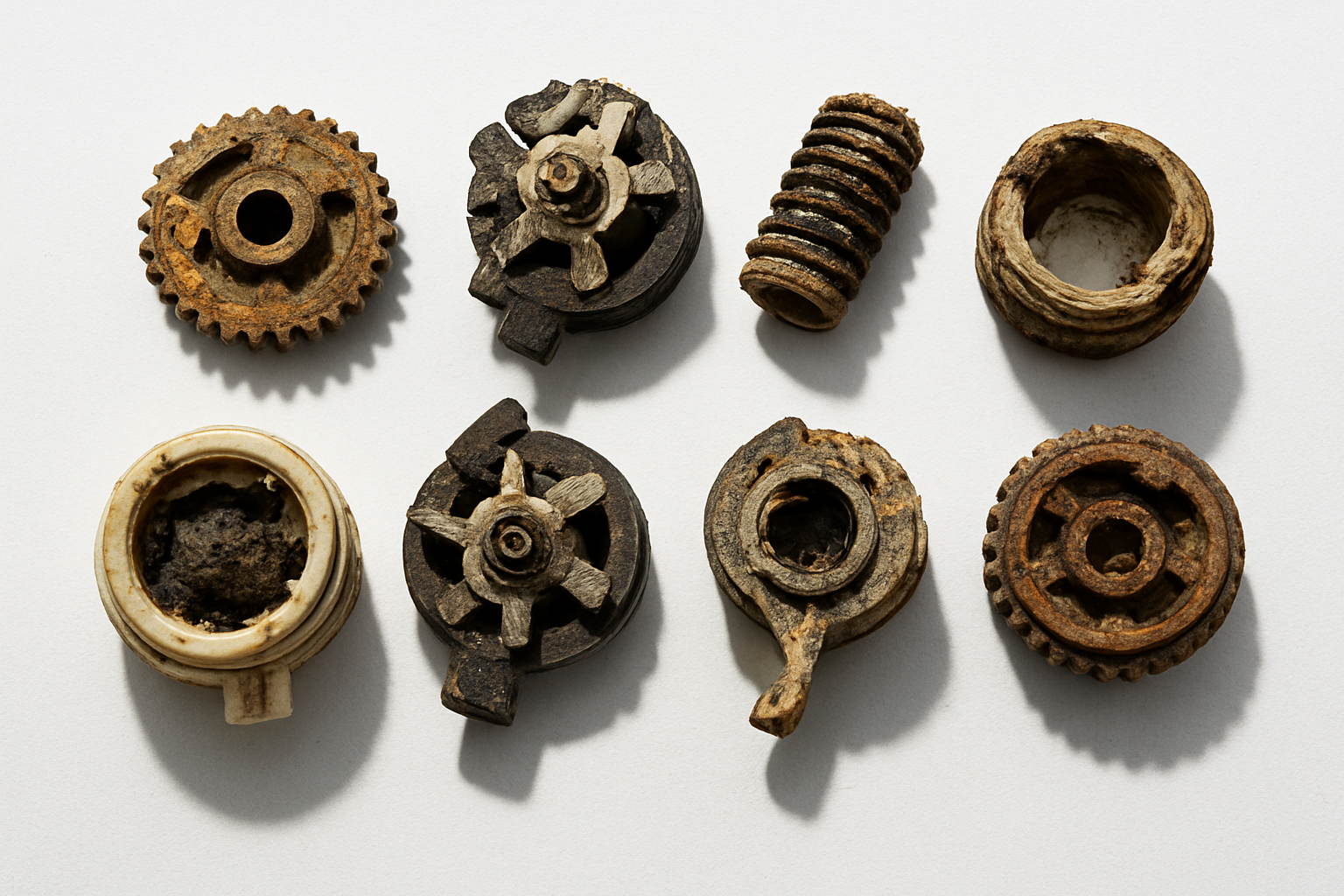
Hunter rotary sprinklers operate on a sophisticated "gear drive" system, where water pressure turns a small turbine that drives a series of interconnected gears, causing the characteristic rotation motion. This mechanical system represents the heart of rotary sprinkler functionality, converting water flow into precise rotational movement.
The turbine mechanism serves as the primary driver, capturing water energy and converting it into rotational force. When water flows through the sprinkler head, it strikes the turbine blades, creating the initial rotation that powers the entire gear train. This system requires consistent water pressure to maintain proper operation.
Gears are components that commonly wear out in a sprinkler head, making them a frequent source of rotation failure. Over time, these precision-machined components experience wear from constant use, debris contamination, and exposure to various water conditions. When gear teeth become worn or damaged, the smooth transfer of rotational power becomes compromised, often resulting in erratic movement or complete stoppage.
The gear drive system's vulnerability stems from its reliance on multiple moving parts working in perfect synchronization. Any disruption in this mechanical chain can prevent proper rotation, making regular maintenance and inspection crucial for optimal performance.
Trip Collars and Trip Pins
Trip collars and trip pins work together as essential control mechanisms that determine the sprinkler's rotation pattern and arc coverage. These components are responsible for controlling where the sprinkler head starts and stops its rotational cycle, ensuring precise water distribution within designated zones.
Trip collars are components that commonly wear out in sprinkler systems. These circular components fit around the sprinkler's rotating mechanism and feature specific positioning that determines the rotation limits. When functioning properly, trip collars provide smooth engagement with trip pins to create consistent arc patterns.
Trip pins are components that commonly wear out and serve as the mechanical stops that interact with trip collars. These small but critical parts experience significant stress during each rotation cycle, as they must reliably engage and disengage with trip collars to maintain proper arc control. The repeated impact and mechanical stress make them particularly susceptible to wear, breaking, or becoming misaligned.
When either trip collars or trip pins fail, the sprinkler may rotate continuously without stopping, fail to complete its intended arc, or stop rotating altogether. The precision required for these components to work together means even minor wear can significantly impact performance.
Filters and Nozzle Components
Filters serve as preventative measures against buildup and can be cleaned to maintain optimal sprinkler performance. These components capture debris, sediment, and other contaminants before they can reach critical internal mechanisms. Regular filter maintenance prevents accumulation of materials that could interfere with gear systems, turbines, and other moving parts.
The strategic placement of filters within the sprinkler head protects downstream components from damage while maintaining adequate water flow. Clean filters ensure consistent water pressure reaches the turbine and gear systems, supporting proper rotation mechanics.
Nozzles can accumulate debris and require cleaning to maintain proper water distribution patterns. These precision-engineered components control water flow rate, spray pattern, and distribution uniformity. When nozzles become clogged with debris, grass clippings, or mineral deposits, water flow becomes restricted or misdirected.
Debris accumulation in nozzle components affects not only water distribution but can also impact the water pressure available to drive the turbine system. Reduced water flow through clogged nozzles means less energy reaches the gear drive system, potentially causing rotation to slow or stop entirely. Regular cleaning of both filters and nozzle components maintains the water flow necessary for proper mechanical operation.
Step-by-Step Troubleshooting Methods
Cleaning and Removing Debris From Sprinkler Heads
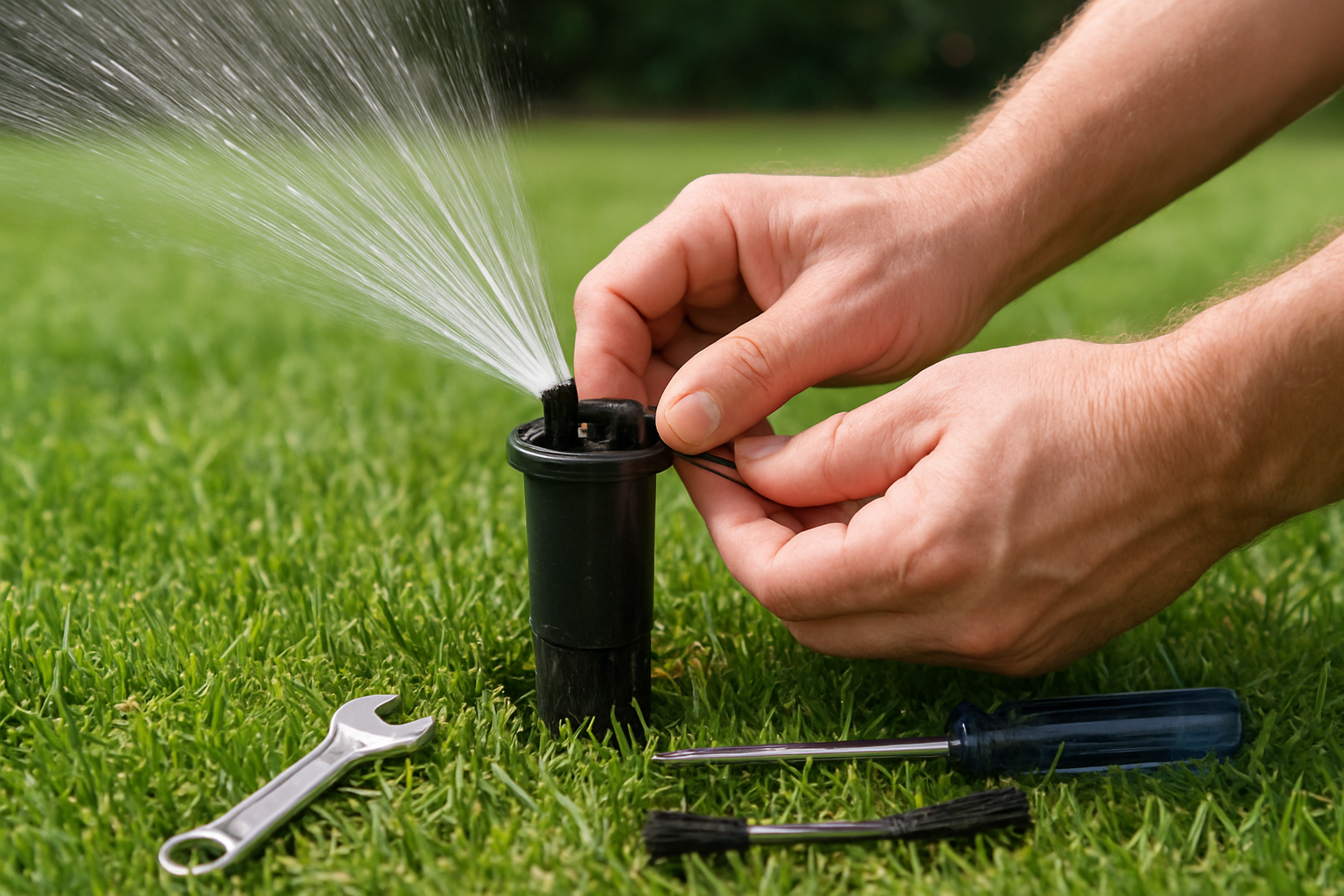
The first step in troubleshooting non-rotating sprinkler heads involves thorough cleaning and debris removal. Begin by unscrewing the sprinkler head from its housing and rinse it thoroughly under clean water to remove surface dirt and accumulated particles. Pay particular attention to the nozzle and filter areas, which are prone to clogging.
Use a small brush or pin to meticulously remove debris from the nozzle and filter components. These small openings are critical for proper water flow and can easily become blocked by sediment, grass clippings, or other organic matter. If water flow has noticeably decreased, remove the entire pop-up assembly to access and clean out the internal filter more effectively.
After completing the cleaning process and reassembling all components, test the sprinkler head to verify that it rotates properly. This immediate testing helps confirm whether debris removal has resolved the rotation issue or if additional troubleshooting steps are necessary.
Testing and Adjusting Water Pressure Levels
Now that we have covered cleaning procedures, proper water pressure evaluation is essential for optimal sprinkler rotation. Use a pressure gauge to measure the water pressure at the sprinkler head, aiming for the ideal operational range of 50 to 60 PSI.
Address low pressure situations promptly, as insufficient pressure often indicates underlying issues such as system leaks or problems with cut-off valves or backflow prevention devices. These components can restrict water flow and prevent adequate pressure from reaching the sprinkler heads.
Conversely, repair high pressure conditions that exceed the recommended range, as excessive pressure can damage internal components and disrupt rotation mechanisms. High pressure situations might require professional water pressure regulator repair to restore proper system function and protect your irrigation investment.
Clearing Physical Obstructions and Ensuring Proper Alignment
With proper water pressure established, focus on eliminating physical barriers that impede sprinkler head movement. Ensure the area surrounding each sprinkler head remains clear of obstacles including pebbles, rocks, overgrown plants, or accumulated debris that could interfere with the rotation mechanism.
Confirm that each sprinkler head sits on a level surface or stable platform to maintain proper alignment during operation. Uneven surfaces can cause binding or irregular rotation patterns that reduce coverage effectiveness and strain internal components over time.
Inspecting for Damaged or Worn Internal Parts
Previously, we've addressed external factors, but internal component inspection is equally crucial for restoration. Carefully examine the sprinkler head for visible signs of wear, misalignment, or physical breakage that could prevent smooth rotation.
Focus specifically on critical internal components including gears, trip collars, and trip pins, as these parts experience the most mechanical stress during operation. Look for signs of wear, cracking, or misalignment that could disrupt the rotation cycle.
Adjust or replace any damaged or misaligned parts as necessary to restore proper function. Ensure the sprinkler head maintains correct alignment throughout the process, as proper positioning promotes consistent rotation and optimal water distribution across your landscape.
When to Call Professional Irrigation Services
Complex System Issues Requiring Expert Diagnosis
Now that we have covered the basic troubleshooting methods, it's important to recognize when problems extend beyond simple DIY fixes. Professional irrigation specialists possess the expertise and diagnostic tools necessary to identify complex system issues that may not be immediately apparent to homeowners. These experts can conduct comprehensive evaluations of your entire irrigation network, examining intricate relationships between water pressure, flow rates, and mechanical components that work together to ensure proper sprinkler head rotation.
When malfunctioning sprinkler heads indicate underlying water pressure issues or when problems persist despite your best troubleshooting efforts, scheduling a professional inspection becomes essential. Expert technicians can detect subtle system imbalances, identify worn internal mechanisms, and diagnose issues that require specialized knowledge of hydraulic systems and irrigation technology.
Preventing Costly Damage Through Early Professional Intervention
With this understanding of complex diagnostics in mind, early professional intervention serves as a critical investment in your irrigation system's longevity. Professional help ensures that no important issues are missed during the diagnostic process, preventing minor problems from escalating into major system failures that could result in extensive property damage or complete system replacement.
Early detection by qualified professionals can save significant money and aggravation by addressing root causes before they compromise your entire irrigation infrastructure. This proactive approach protects your landscape investment while maintaining optimal water efficiency throughout your property.
Complete System Overhauls and Major Repairs
Previously established troubleshooting methods handle routine maintenance, but professionals become indispensable for complete system overhauls and major repairs that extend far beyond simple fixes. These comprehensive projects require specialized equipment, extensive technical knowledge, and the ability to coordinate multiple system components simultaneously.
Professional irrigation services have the expertise to redesign water distribution patterns, replace multiple zone controllers, upgrade entire valve assemblies, and reconfigure your system's hydraulic architecture to meet changing landscape needs or address fundamental design flaws that contribute to recurring rotation problems.
A sprinkler head that stops rotating can significantly impact your irrigation system's efficiency, leading to uneven water distribution and potential damage to your landscape. By understanding the common causes—from debris buildup and water pressure issues to damaged components like gears and trip collars—you can take the right steps to restore proper function. Regular cleaning, pressure adjustments, and removal of obstructions often resolve many rotation problems.
However, when basic troubleshooting doesn't solve the issue, it's time to call professional irrigation services. Complex problems involving worn internal components or pressure system failures require expert diagnosis and repair. Don't wait until a malfunctioning sprinkler head causes expensive damage to your lawn or garden—prompt professional attention ensures your irrigation system continues operating at peak performance for years to come.

0 Comments