Seeing your lawn turn brown is not fun. You expect a cool mist when the timer goes off. Nothing is worse than a dry yard in July.
But, stuck equipment can ruin your plans. You might need to explain pressure problems and clogged heads to fix it. This helps you find a quick solution.
Dealing with these common sprinkler problems feels like a chore. Our guide makes fixing it simple so you can relax. Let's get those nozzles working again.
Keeping your landscape beautiful needs working tools. Broken sprayers waste water and money. We offer the best tips to save your grass today.
Key Takeaways
- Low water flow often prevents pop-up action.
- Dirt buildup stops nozzles from moving properly.
- Inspect your system for broken seals regularly.
- Check for leaks in the main irrigation line.
- Simple cleaning fixes most typical watering issues.
- Proper height adjustment ensures even lawn coverage.
Understanding How Pop-Up Sprinkler Heads Work
To understand why your sprinkler heads aren't popping up, it's key to know how they work. Pop-up sprinkler heads rise when they're on and go back down when they're off. This makes watering your lawn efficient and looks good too.
The Mechanics Behind Pop-Up Sprinkler Systems
Pop-up sprinkler systems use several parts to water your lawn. Water flows through pipes and into the sprinkler heads. When you turn on the system, water pressure lifts the sprinkler head up to spray water.
When you turn off the system, the sprinkler head goes back down. This happens because of a spring mechanism that pulls it down.
Water Pressure Requirements for Proper Operation
Water pressure is very important for pop-up sprinkler heads to work right. Insufficient water pressure can stop them from rising or working well. Most homes need at least 30-40 psi to get good water flow.
A pressure relief valve helps control water pressure. It keeps the system safe from damage. Keeping this valve in good shape is part of irrigation system maintenance.
The Role of Springs and Risers
Springs and risers are key parts of pop-up sprinkler heads. The spring pulls the head back down after watering stops. But, over time, these springs can weaken or break, making the sprinkler head not work right.
The riser is what moves up and down. It lets the sprinkler pop up and go back down. If debris builds up around the riser, it can stop the sprinkler from working right.
Common Signs Your Sprinkler Heads Aren't Functioning Properly
When your sprinkler heads don't work right, it means there's a problem. It's important to spot these signs early. This way, you can fix the issue before it harms your lawn or garden.
Partial Pop-Up Issues and Sluggish Performance
Partial pop-up issues happen when sprinkler heads don't fully rise. This leads to uneven water distribution. It might be because of debris or a faulty spring.
Sluggish performance is another sign. It means sprinkler heads pop up slowly or don't stay up.
Complete Failure to Rise Above Ground
If sprinkler heads won't rise at all, it's a big problem. It could be a clogged nozzle or a broken spring. Sometimes, troubleshooting pressure issues is the cause.
Weak or Inconsistent Water Distribution
Weak or uneven water distribution is a common problem. It can be caused by clogged nozzles, misaligned heads, or water pressure issues. Making sure your sprinkler system works well is key to a healthy lawn.
Explain Pressure Problems and Clogged Heads
Understanding how water pressure and sprinkler head cleanliness work together is key. Both are important for your sprinkler system to work right.
How Low Water Pressure Prevents Proper Pop-Up Action
Low water pressure can stop sprinkler heads from popping up. If the pressure is too low, it can't push the spring back. This means the head might not pop up fully or at all, leading to inadequate water distribution.
Most home systems need at least 30-40 PSI to work well. If your system has less pressure, it might explain why your sprinkler heads don't pop up right.
The Impact of Debris and Sediment Buildup on Sprinkler Function
Debris and sediment inside sprinkler heads can really mess things up. Dirt, sand, or other particles can clog the water flow. This lowers the pressure and stops the head from rising.
Checking and cleaning your sprinkler heads often can help. Also, putting filters in your irrigation system can cut down on debris reaching the heads.
Distinguishing Between Pressure and Clog Issues
Telling apart pressure problems and clogs can be tough. But, a careful check can help. First, use a pressure gauge to see if the pressure is okay. If it is, the problem might be clogs or mechanical issues.
Looking for debris or sediment in the sprinkler heads can also help. If you find blockages, cleaning them might fix the problem. If not, you might need to look into the system's pressure more closely.
Why Both Problems Often Occur Simultaneously
It's common for low water pressure and clogged sprinkler heads to happen together. Debris can clog heads and lower water pressure. Low pressure also makes the system more likely to clog because the water can't push out debris well.
Fixing both problems is key to getting your sprinkler system working right again. This might mean cleaning or replacing clogged parts and fixing the system to get the right water pressure.
Troubleshooting Pressure Issues in Your Sprinkler System
Fixing pressure problems is key to a good sprinkler system. Issues can cause uneven watering, waste water, and higher bills. Knowing your system's parts and how they affect pressure is vital.
Testing Your System's Water Pressure Levels
Start by checking your system's water pressure. Use a pressure gauge on a hose bib or sprinkler head. Most systems need 30 to 50 psi to work right. Too little pressure can mean uneven watering. Too much can damage your system.
Test pressure at different times and in different zones. This shows if pressure changes throughout the day or system.
Checking the Main Water Supply and Shutoff Valves
Next, check the main water supply and shutoff valves. Make sure the main supply is fully on and valves are clear of debris. Partially closed valves can lower pressure and hurt sprinkler performance. Open all shutoff valves fully for best water flow.
Examining the Pressure Relief Valve Function
The pressure relief valve keeps system pressure safe. A faulty valve can cause too much pressure or prevent enough. Check the valve for damage and replace it if needed.
Identifying Pressure Drop Solutions Throughout the System
Pressure drops can come from leaks, clogs, or system problems. Look for leaks and check pipe and valve conditions. This helps find where pressure drops happen.
Zone Valve Problems
Zone valves control water flow to different areas. A bad or clogged valve can lower pressure in that area. Check for damage or debris and clean or replace as needed.
Pipe Leaks and Breaks
Leaks and breaks in pipes also lower pressure. Look for cracks or corrosion. Small leaks can cause big pressure loss over time, so fix them fast.
Backflow Preventer Issues
A backflow preventer keeps contaminated water out of the water supply. But a faulty one can cause pressure problems. Check it for any issues and make sure it works right.
Diagnosing and Fixing Clogged Sprinkler Heads
Clogged sprinkler heads can really hurt your irrigation system's performance. They can cause uneven water distribution, waste water, and even damage your lawn or plants.
Identifying Visible Debris and Blockages
Start by looking at the sprinkler heads for any visible debris. Dirt, grass clippings, or other materials might be blocking them. Regularly cleaning the area around the sprinkler heads can help avoid many problems.
See if the sprinkler heads are popping up right and if there's any blockage around the nozzle or filter screen. Sometimes, just removing the debris can fix the issue.
Detecting Clogged Nozzle Problems
A clogged nozzle can mess up the water distribution. Check the nozzle for blockages or mineral buildup. Cleaning or replacing the nozzle might be needed to get it working right again.
Understanding Filter Screen Blockages
Many sprinkler heads have a filter screen to keep out debris. Over time, this filter can get clogged with dirt and sediment. Regular maintenance includes checking and cleaning this filter screen to keep it clear.
Recognizing Mineral Deposits from Hard Water
Hard water can cause mineral deposits in sprinkler heads and nozzles, leading to clogs. If you live in an area with hard water, regularly inspecting your sprinkler system for mineral buildup is key. Using a water softener or a filter to reduce mineral deposits can help prevent this problem.
| Issue | Description | Fix |
|---|---|---|
| Visible Debris | Dirt, grass, or other materials blocking the sprinkler head. | Remove debris, clean the area around the sprinkler head. |
| Clogged Nozzle | Mineral buildup or debris blocking the nozzle. | Clean or replace the nozzle. |
| Filter Screen Blockage | Dirt and sediment clogging the filter screen. | Clean the filter screen regularly. |
| Mineral Deposits | Hard water causing mineral buildup inside sprinkler heads. | Use a water softener or filter to reduce mineral deposits. |
Step-by-Step Guide to Unclogging Sprinkler Heads
A clogged sprinkler head can mess up your lawn's water system. But, you can fix it yourself. It's easy to unclog sprinkler heads with a few simple steps.
Gathering the Necessary Tools and Materials
First, make sure you have the right tools. You'll need a wrench or pliers, a small brush or toothbrush, and maybe a needle or small tool for tight spots.
| Tool/Material | Description | Usage |
|---|---|---|
| Wrench or Pliers | For removing the sprinkler head | Loosening and removing the head |
| Small Brush or Toothbrush | For cleaning the sprinkler head and its components | Removing dirt and debris |
| Needle or Small Tool | For clearing small passages and nozzles | Dislodging stubborn debris |
| Vinegar | For soaking to remove mineral deposits | Soaking parts to dissolve mineral buildup |
Safely Removing the Sprinkler Head
Be careful when removing the head to avoid damage. Use a wrench or pliers. Always turn off the water first to prevent leaks.
Disassembling the Head Components
After removing, take apart the sprinkler head. This means unscrewing the nozzle and filter screen. Be gentle to avoid breaking anything.
Cleaning the Nozzle, Filter Screen, and Internal Parts
Use a small brush or toothbrush to clean the parts. For tough spots, try soaking them. This can help dissolve mineral buildup.
Soaking Methods for Stubborn Deposits
Soaking parts in a solution can help with stubborn deposits. You can use warm water or a special mineral-dissolving solution.
Using Vinegar for Mineral Buildup
Vinegar is great for mineral buildup. Soak the parts in vinegar for a few hours or overnight. This will help dissolve the deposits.
Reassembling and Testing the Sprinkler Head
After cleaning and soaking, put the sprinkler head back together. Make sure everything is securely in place. Turn on the water and test the head to make sure it's working right.
Repairing Mechanical Failures and Stuck Components
Your irrigation system works best when its parts are in good shape. If these parts fail, you might see sprinkler heads not popping up or water not spreading evenly. Fixing these problems quickly is key to keeping your lawn healthy and your irrigation system working right.
Freeing Stuck or Jammed Risers
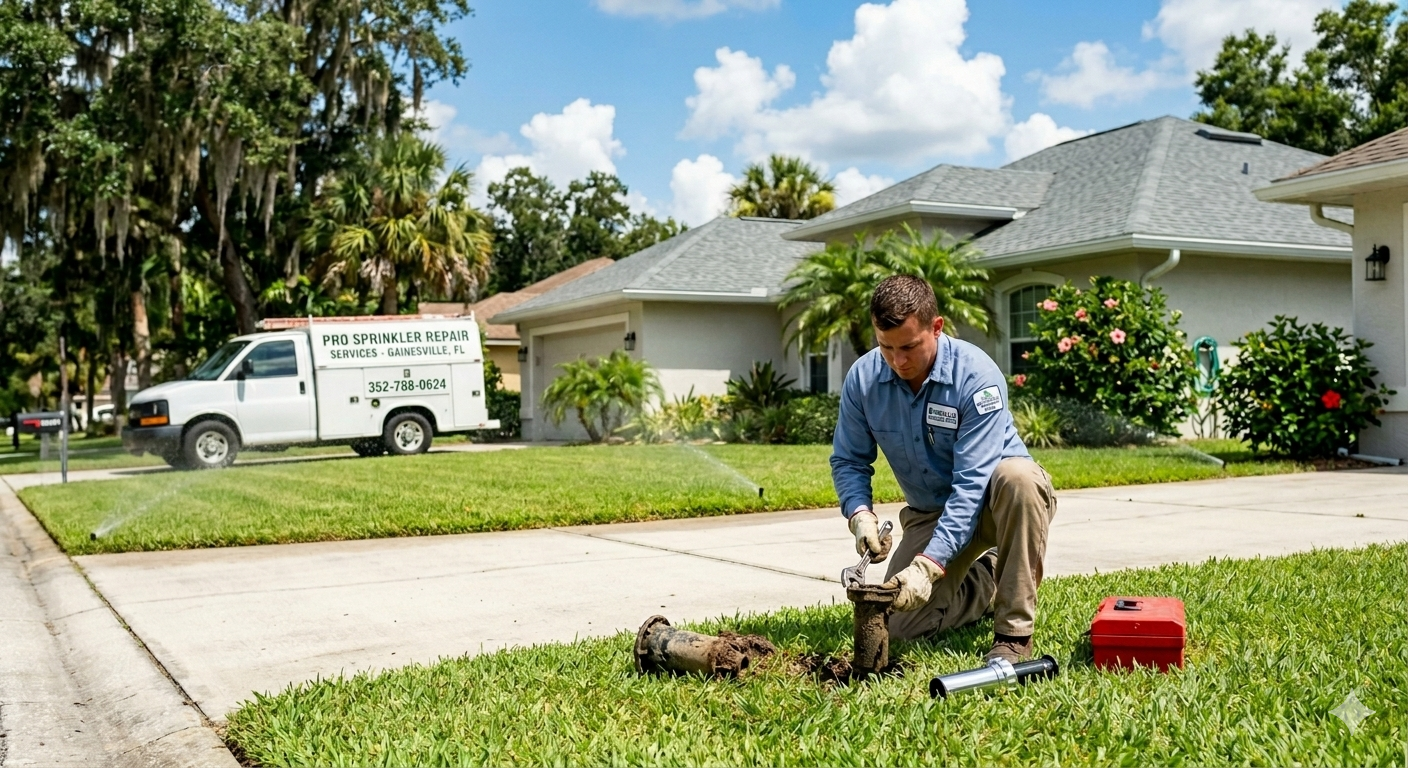
A stuck riser can stop a sprinkler head from popping up. This usually happens because of dirt or rust. To fix a stuck riser, first, remove any dirt around the sprinkler head. Then, try moving the riser back and forth to loosen it. If it's really stuck, you might need to use a lubricant or replace the riser if it's too rusty.
Steps to Free a Stuck Riser:
- Remove visible debris around the sprinkler head.
- Gently manipulate the riser to loosen it.
- Apply lubricant if necessary.
- Consider replacement if the riser is corroded.
Replacing Damaged or Weakened Springs
Springs are important for sprinkler heads to go back down after watering. Over time, these springs can get weak or break, causing problems. Checking and replacing these springs is easy and can make your irrigation system work better.
Tip: It's a good idea to check your sprinkler system's springs often. This can help avoid problems during busy watering times.
Fixing Worn Seals and O-Rings
Leaky seals and O-rings can cause water to waste and not water evenly. It's important to check these parts often and replace them when needed. Make sure to use a compatible replacement part for a good seal.
"Regular maintenance of irrigation systems, including checking and replacing worn seals and O-rings, is essential for water conservation and system efficiency."
When to Replace Instead of Repair
Fixing problems is usually cheaper, but sometimes it's better to replace parts. If fixing something costs as much as a new part, or if your system is old, it might be cheaper to get a new one. Also, if a sprinkler head keeps breaking, it's time to get a new one.
| Component | Repair or Replace | Considerations |
|---|---|---|
| Riser | Repair or Replace | Depends on the extent of corrosion or damage. |
| Spring | Replace | If weakened or damaged. |
| Seals/O-Rings | Replace | When worn or leaking. |
| Sprinkler Head | Replace | If frequently malfunctioning or outdated. |
Good irrigation system maintenance means fixing problems and preventing new ones. Knowing how to handle common issues and when to replace parts helps your irrigation system work well.
Irrigation System Maintenance to Prevent Common Sprinkler Problems
To keep your sprinkler system working well, regular maintenance is key. A well-kept irrigation system stops common problems. It also keeps your lawn healthy and green all year.
Establishing a Regular Inspection Schedule
Regular checks are important to catch issues early. It's best to inspect your system twice a year. Do this in the spring and fall.
During these checks, look for wear on sprinkler heads, valves, and pipes. Watch for leaks, corrosion, or damage. These can cause system problems.
Proper Winterization and Seasonal Preparation
Winterizing your system is critical. Before the first frost, drain the pipes to avoid freezing and bursting.
Also, adjust sprinkler heads and valves for the seasons. This ensures your lawn gets the right water all year.
Installing Filters to Reduce Sediment
Filters in your system cut down sediment and debris. This prevents clogs and damage to parts.
Types of Filters:
| Filter Type | Description | Benefits |
|---|---|---|
| Mesh Filters | Simple filters that catch larger debris | Easy to clean and maintain |
| Cartridge Filters | More detailed filtration for smaller particles | Effective against sediment and contaminants |
| Disk Filters | Use stacked disks to filter water | Highly effective and easy to clean |
Flushing Your System Regularly
Flushing your system removes sediment and debris. This keeps the pipes clean.
Open drain valves to flush out water and debris. It's a simple way to keep your system running smoothly.
Monitoring Water Quality and Pressure Consistency
Checking water quality and pressure is important. It keeps your system working well.
Regularly check the water pressure. Make sure it's right for your system. Also, watch the water quality to avoid damage.
Conclusion
A well-working sprinkler system is key for a green lawn. Problems like low pressure and clogged heads can hurt your system's performance. Knowing how to spot and solve these issues can prevent big problems.
Regular checks on your sprinkler system can help avoid common issues. Look for clogs and make sure water pressure is right. This saves water and money on repairs.
Keeping your sprinkler system in good shape is important. By following the tips in this article, you can keep your lawn looking great. This also helps save water and cut down on maintenance costs.
FAQ
Why are my sprinkler heads not popping up even when the system is turned on?
This is a common problem. It often comes from low water pressure or debris around the riser. If the spring is damaged or there's a big pressure drop, the head can't rise.
How can I tell the difference between a pressure issue and a clogged head?
Check the rest of the zone. If all heads struggle, it's a pressure problem. But if just a few heads fail, it's likely a clogged nozzle or dirty filter.
What are the best pressure drop solutions for my irrigation system?
Start by checking the main shutoff valve. Then, look at your zone valves and for soggy spots in the lawn. A bad backflow preventer can also cause problems.
Is fixing clogged heads a difficult DIY project?
No, it's easy! Just unscrew the top, pull out the parts, and rinse the filter screen. White vinegar can help with mineral deposits from hard water.
What steps are involved in unclogging sprinkler heads effectively?
Remove the internal assembly carefully. Flush the system briefly. Clean the nozzle and filter with a soft brush or air. Then, reassemble and test the zone.
How does the pressure relief valve affect my sprinkler’s performance?
The pressure relief valve keeps pipes safe from too much pressure. But if it's stuck open, it can lower the pressure at the heads. Make sure it's working right for good performance.
What is the most important part of irrigation system maintenance?
Keeping up with maintenance is key. Do a spring check, flush lines, and winterize to avoid frozen pipes. Good filters and steady water pressure help prevent clogs.
When should I stop trying to repair a head and just replace it?
If the riser is scratched, the wiper seal is cracked, or the retraction spring is broken, it's time for a new head. Modern heads are affordable and improve water efficiency.

0 Comments