
Who doesn’t love a lush, green yard? It feels like walking on a soft carpet. But, giving your grass too much water can cause serious damage.
Many think more water means a healthier garden. But, too much water invites pests and diseases. It also wastes water, harming the environment and your wallet.
Knowing the signs of overwatering is key. By changing your watering habits, you can keep your lawn healthy. This guide will help you spot problems and protect your outdoor space.
Key Takeaways
- Identify soggy soil and yellowing grass early.
- Reduce moisture to prevent fungal growth and pests.
- Save money by eliminating unnecessary liquid runoff.
- Promote deep root growth with less frequent soaking.
- Watch for puddles that signal poor drainage issues.
- Adjust irrigation schedules based on local weather patterns.
Why Too Much Water Harms Your Grass
Too much water can harm your grass just like too little. It can cause the roots to rot. This makes it hard for the grass to get the nutrients it needs.
When you overwater, the soil gets too wet. The air pockets in the soil fill up with water. This can hurt the roots and make the grass more likely to get sick.
Overwatering affects your lawn in many ways. Here are some common problems:
| Issue | Description | Impact on Lawn |
|---|---|---|
| Root Rot | Roots decay due to lack of oxygen | Reduced nutrient absorption |
| Increased Disease Susceptibility | Fungal diseases thrive in moist conditions | Lawn becomes vulnerable to infections |
| Nutrient Leaching | Excess water washes away essential nutrients | Poor grass health and color |
In summary, overwatering can cause big problems for your lawn. It can lead to root rot and make your grass more likely to get sick. Knowing these risks helps keep your lawn healthy.
Clear Warning Signs Your Lawn Is Overwatered
It’s important to know when your lawn is getting too much water. Too much water can harm your grass and make your yard look bad.
Yellow or Pale Green Grass Color
One clear sign is if your grass turns yellow or pale green. This usually means it’s getting too much water. The excess water can rot the grass roots, making it hard for them to get the nutrients they need.
Squishy or Spongy Soil Texture
Another sign is if the soil feels squishy or spongy. Healthy soil should be firm. This firmness shows it has the right amount of water and air for the roots to grow.
Increased Weed and Moss Growth
Seeing more weeds and moss is another sign. These plants love wet conditions and can take over your lawn. If you notice more of them, your lawn might be too wet.
Standing Water After Irrigation
Puddles that don’t dry up after watering or rain are a big sign. This water can stop air from getting to the roots, making things worse.
| Signs | Description |
|---|---|
| Yellow or Pale Green Grass | Grass color changes due to root rot from excess water. |
| Squishy or Spongy Soil | Soil feels waterlogged and lacks firmness. |
| Increased Weeds and Moss | Weeds and moss thrive in overwatered conditions. |
| Standing Water | Persistent puddles after watering or rain. |
How Overwatering Can Damage Your Lawn
Too much water can harm your lawn just like too little. It leads to problems that are hard to fix. Overwatering causes damage that can cost a lot and take a lot of time to fix.
Oxygen Deprivation in the Root Zone
When soil is too wet for too long, it can block oxygen in the root zone. Grass roots need oxygen to live. Without it, they start to die, making the grass weak.
This can cause the roots to grow shallow. The lawn then becomes more likely to get sick or attract pests.
Nutrient Leaching from Soil
Too much water can wash away important nutrients from the soil. This nutrient deficiency can make the grass look bad. It might turn yellow, thin out, or get sick easily.
As nutrients leave, the soil gets less fertile. You might need to add more fertilizer to make it healthy again.
Weakened Grass That Can’t Withstand Stress
Overwatering weakens the grass, making it hard for it to handle stress. This includes drought, heat, and pests. When grass is weak, weeds and pests can take over.
This can make your lawn look bad and might cost a lot to fix. It’s important to know how overwatering can hurt your lawn.
By understanding these risks, you can keep your lawn healthy. You can avoid overwatering and keep your lawn looking great.
The Shallow Root Problem
Frequent watering can harm your lawn’s roots, causing them to grow shallow. This happens when you water too often. It makes the roots stay near the surface instead of digging deeper into the soil.
Why Frequent Watering Keeps Roots Near the Surface
Grass roots grow deeper when the soil is dry. But, with too much water, the soil stays moist near the top. This means the roots don’t need to go deep, making them shallow and weak.
How Shallow Roots Make Your Lawn Vulnerable
A lawn with shallow roots is more at risk. It struggles with drought, heat, and physical damage. Its roots can’t reach water deeper in the soil, making it hard to recover.
Comparison of Lawn Health Based on Root Depth
| Characteristics | Deep Roots | Shallow Roots |
|---|---|---|
| Drought Resistance | High | Low |
| Recovery from Stress | Easy | Difficult |
| Overall Lawn Health | Healthy | Vulnerable |
Knowing how often to water can help your lawn grow stronger. It’s all about promoting deep roots for a healthier lawn.
Understanding Fungal Diseases from Excess Moisture
Too much water on your lawn can invite fungal diseases, causing serious damage. These diseases are common in lawns that get too much water. The extra moisture is perfect for fungi to grow.
Fungal diseases come in different forms. Knowing these can help you spot and treat them.
Brown Patch Fungus
Brown patch fungus shows up as circular patches of dead or dying grass. It loves humid weather and can spread fast if not stopped.
Pythium Blight
Pythium blight thrives in moist places. It makes the grass water-soaked and turns it into a slimy, grayish-black mess.
Dollar Spot Disease
Dollar spot disease has small, circular patches of light brown or straw-colored grass. They’re about the size of a dollar coin and love high humidity.
How Humid Conditions Trigger Fungal Growth
Humid air is perfect for fungal diseases to grow and spread. Proper lawn care practices like not overwatering and ensuring air flow can help prevent this.
Knowing the causes and symptoms of these diseases helps you prevent them. This way, you can keep your lawn healthy.
The Hidden Costs of Water Waste
Overwatering harms more than just your lawn. It also hits your wallet and local water supplies hard. A lush lawn might look good, but the water it takes is costly.
Higher Water Bills
One big problem with overwatering is the jump in your water bills. Using too much water means paying more. For example, the Environmental Protection Agency (EPA) says lawn watering is a big water user at home, leading to higher bills.
“Water conservation is not just about saving water; it’s also about saving money.”
Strain on Local Water Resources
Overwatering also strains local water resources. It’s key to save water for healthy aquifers and reservoirs. Wasting water can lower water levels and raise energy costs for treating water.
| Impact | Description | Consequence |
|---|---|---|
| Financial | Higher water bills due to excess usage | Increased household expenses |
| Environmental | Strain on local water resources | Decreased water tables and increased energy for water treatment |
By watching how much water we use and using water-saving methods, we can lessen these problems. Small changes, like tweaking irrigation systems and schedules, can help a lot.
Calculating How Much Water Your Lawn Really Needs
A lush, green lawn starts with knowing its watering needs. These needs change based on grass type, soil, and local weather. By understanding these, you can water your lawn just right, keeping it healthy.
Cool-Season Grass Water Requirements
Cool-season grasses, like Kentucky bluegrass and perennial ryegrass, need 1 to 2 inches of water weekly. This can come from rain or a hose. During hot summers, they use less water because they go dormant.
Warm-Season Grass Water Requirements
Warm-season grasses, such as Bermudagrass and zoysiagrass, are more drought-tolerant. They need about 0.5 to 1.5 inches of water weekly when they’re actively growing.
Sandy Soil vs. Clay Soil Needs
The soil type affects how much water your lawn needs. Sandy soils drain fast and might need more water. On the other hand, clay soils hold water longer, so they need less frequent watering.
Adjusting for Your Regional Climate
Your local climate is also key. Lawns in hot, sunny places need more water than those in cooler, cloudier areas. It’s important to adjust your watering based on the season and weather.
Smart Watering Practices That Prevent Overwatering
Smart watering is key to avoiding overwatering, which can harm your lawn. By using the right methods, you can keep your lawn healthy and green while saving water.
Water Early Morning for Best Results
Watering in the early morning is the best time. It lets the grass dry a bit during the day, reducing disease risk. Early morning watering also cuts down on evaporation, helping more water reach your grass’s roots.
The One-Inch-Per-Week Rule
Water your lawn about one inch per week, either from rain or irrigation. Adjust this based on weather, soil, and grass type. Keep an eye on rain and adjust your watering schedule as needed.
Benefits of Infrequent Deep Watering
Deep watering less often helps your lawn grow stronger roots. This method also keeps your lawn healthier by letting the soil dry out a bit between waterings. It helps prevent overwatering.
Seasonal Adjustments Throughout the Year
Your lawn’s water needs change with the seasons. In hot months, it may need more water. In cooler months, it needs less. Adjust your watering schedule with the seasons to keep your lawn healthy and avoid overwatering.
How to Check If Your Lawn Has Enough Water
There are simple ways to check if your lawn has enough water. It’s important to make sure your lawn gets the right amount of water. Too little or too much water can harm your lawn.
The Screwdriver Test
The screwdriver test is a cheap and easy way to check soil moisture. Stick a screwdriver into the ground to see if the soil is moist. If it goes in easily, the soil is probably moist. If it’s hard to insert, your lawn might need more water.
Using a Soil Moisture Meter
A soil moisture meter gives a more precise reading of soil moisture. You can buy these at gardening stores. They’re easy to use by just sticking them into the soil. This helps you know exactly when to water your lawn.
Monitoring Your Sprinkler Output
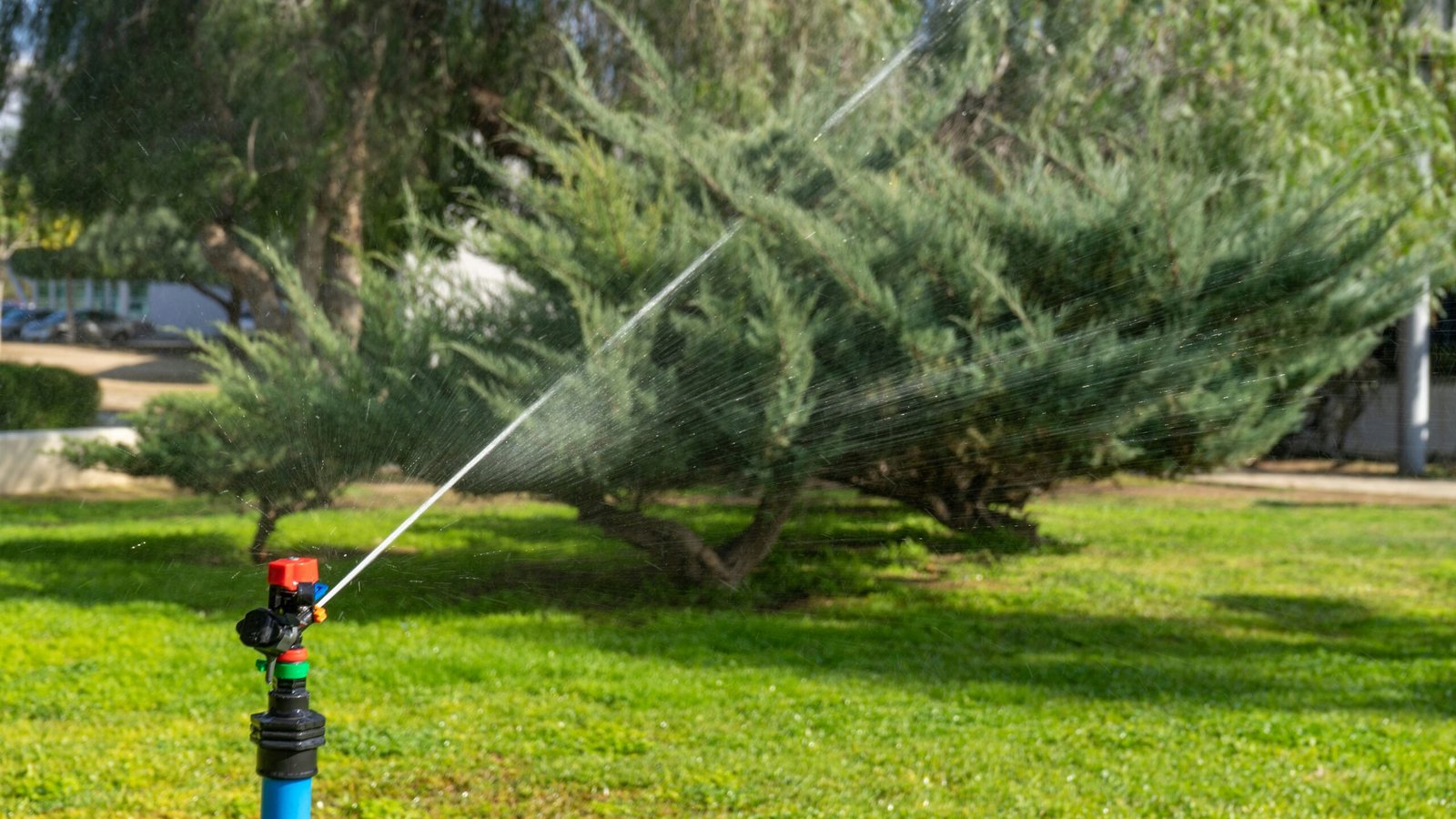
It’s also key to watch how your sprinklers are working. Make sure they’re watering evenly and not too much in one spot. Adjusting the sprinkler heads and checking for blockages can help your lawn get the right amount of water.
Steps to Recover an Overwatered Lawn
Recovering an overwatered lawn needs quick action and a few steps to get it back to health. Overwatering can cause fungal diseases and harm the roots. It’s vital to act fast to fix these problems.
Stop Watering Immediately
The first thing to do is stop watering your lawn right away. This lets the soil dry a bit, which helps prevent more damage. Stop all watering until the soil’s moisture is balanced again.
Aerate to Improve Drainage and Oxygen Flow
Aerating your lawn is key to better drainage and root health. It makes small holes in the soil for air, water, and nutrients to flow. Aeration greatly helps an overwatered lawn by improving the soil.
Address Fungal Infections Quickly
Fungal diseases love wet conditions. Look for signs like discoloration or dead grass patches. Using a fungicide can stop the disease from spreading and prevent more harm.
Adjust Your Irrigation System Settings
Lastly, tweak your irrigation system to water correctly. Check your sprinklers and adjust the schedule based on your lawn’s needs. This avoids overwatering in the future.
Watering Mistakes That Lead to Lawn Damage
Watering your lawn might seem simple, but many common errors can harm it. Knowing these mistakes is the first step to fixing them and keeping your lawn healthy.
Running Sprinklers on a Set Schedule Year-Round
Watering on a fixed schedule ignores weather changes. Adjust your watering schedule with the season and weather. For instance, your lawn needs less water in cooler months.
Watering After Heavy Rainfall
Watering after heavy rain is unnecessary and can harm your lawn. Check the weather forecast before you water to avoid this mistake.
Using Incorrect Sprinkler Head Placement
Improper sprinkler head placement causes uneven watering. Make sure sprinkler heads are correctly placed and adjusted. This prevents waste and ensures even coverage.
| Common Watering Mistake | Consequence | Solution |
|---|---|---|
| Running sprinklers on a fixed schedule | Overwatering | Adjust schedule seasonally |
| Watering after heavy rainfall | Excess moisture, possible fungal diseases | Check weather forecast before watering |
| Incorrect sprinkler head placement | Uneven watering, waste | Adjust sprinkler heads for proper coverage |
Maintaining a Healthy Lawn Through Proper Watering
To avoid lawn damage from too much water, you need to know your lawn’s needs. Look out for signs like yellow or pale green grass and squishy soil. These are signs you’re watering too much.
Good lawn care is more than just watering. It’s about understanding how much water your lawn needs. This depends on the type of grass, soil, and where you live.
Smart watering practices can help. Water in the early morning and follow the one-inch-per-week rule. This way, you keep your lawn healthy and strong against stress and disease.
Using these methods helps prevent damage and saves water. It makes your lawn care routine more sustainable.
FAQ
How can I tell if I am accidentally overwatering my lawn?
Look for squishy soil and water that doesn’t drain. Also, check if your grass is turning yellow or pale green. This usually means the roots are lacking oxygen.
Why is frequent, light watering considered bad for grass?
Light watering every day keeps moisture close to the surface. This makes the roots shallow. Shallow roots can’t handle heat and drought well.
Can you explain fungus and why it appears on wet lawns?
Fungus grows in dark, damp places. Wet grass encourages diseases like Brown Patch and Dollar Spot. High humidity and moisture are perfect for these spores.
How does overwatering lead to higher costs for homeowners?
Too much water wastes it and increases your bills. It also strains local water resources. You might need to use more fertilizers to replace lost nutrients.
What is the “one-inch-per-week rule” for lawn care?
Most lawns need about one inch of water per week. This should be in one or two deep sessions, not daily. It helps roots grow deep and strong.
How can I check if my soil actually needs more moisture?
Try the screwdriver test. If it goes in easily, the soil is fine. For a precise reading, use a Sonkir Soil Moisture Meter.
What are the first steps to take if my lawn is currently drowning?
Stop watering and turn off timers. Use a core aerator to improve drainage. If you see disease, apply fungicide and adjust your mower height.
Does the type of soil I have change how much I should water?
Yes, it does. Sandy soil needs more frequent watering. Clay soil holds water longer and can drown grass if watered too often.
Is it okay to run my sprinklers on a set schedule all year?
No, it’s not good. Your lawn’s needs change with the seasons. Adjust your settings and use a sprinkler rain sensor to avoid watering after storms.

0 Comments